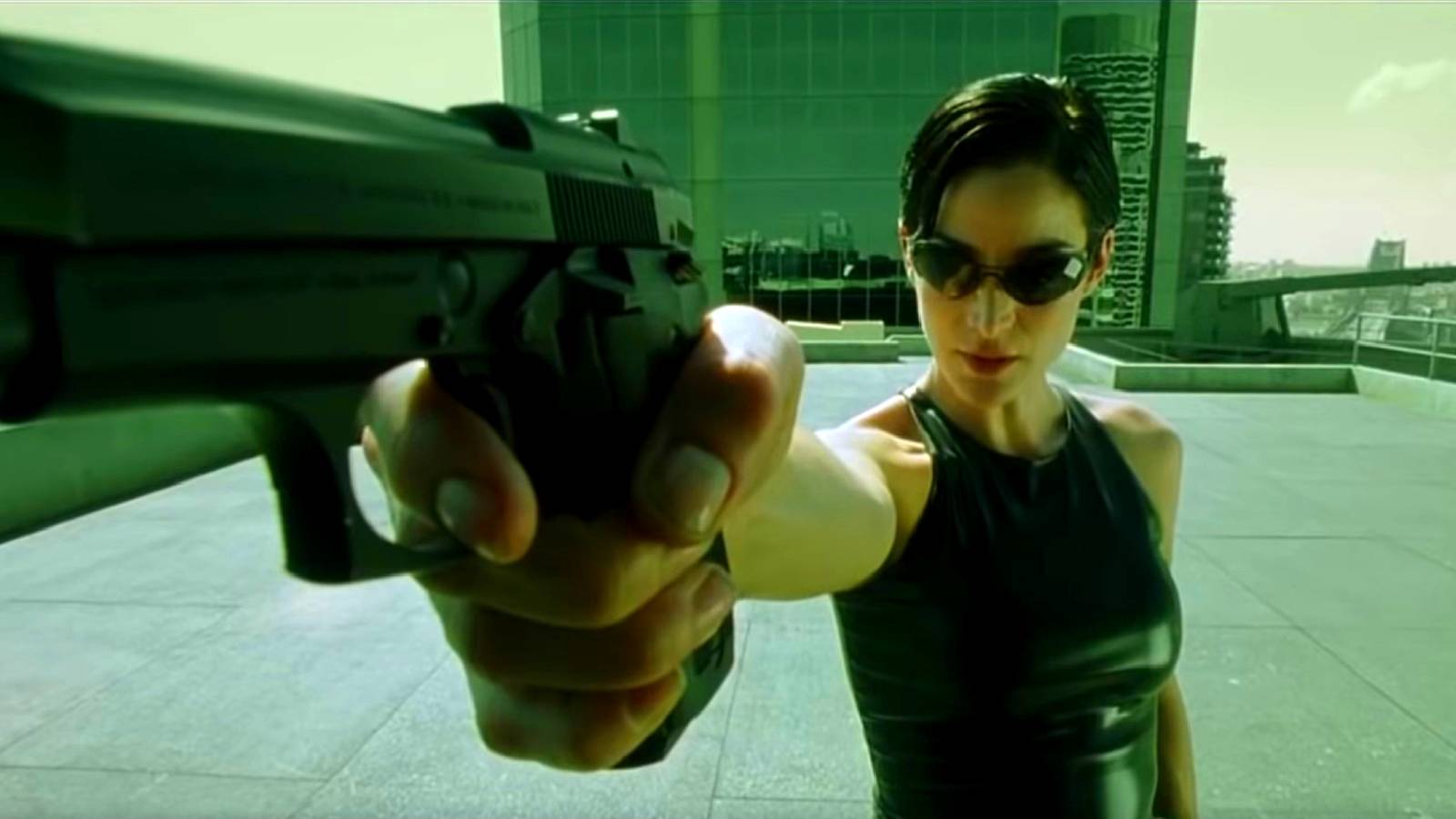
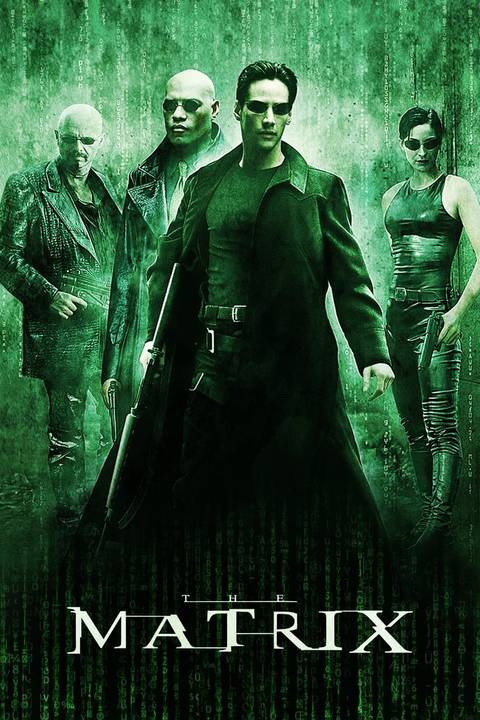
The Matrix was a groundbreaking film that not only closed out the 1990s with a bang but also cemented itself as a timeless classic in science fiction cinema. Directed and written by Lilly and Lana Wachowski, this 1999 masterpiece brilliantly combined innovative visual effects, compelling storytelling, and deep philosophical themes to create an unforgettable cinematic experience.
However, despite the original’s excellence, the subsequent three sequels – The Matrix Reloaded, The Matrix Revolutions, and The Matrix Resurrections – failed to replicate the success and impact of the original film. A retrospective look reveals key reasons why continuing the story was a challenging endeavor that ultimately fell short.
The Matrix: A Perfect Blend of Story, Style, and Philosophy
The original film stood out for its unique combination of high-octane action, a futuristic dystopian world, and profound philosophical questions about reality, identity, and control. The Wachowskis crafted a narrative where the protagonist Neo, played by Keanu Reeves, discovers that the world he knows is a simulated reality controlled by machines. This concept captivated audiences with its innovative storytelling and visual flair, including the iconic bullet-dodging scenes and the groundbreaking “bullet-time” effect.
Why The Matrix Sequels Couldn’t Match the Original’s Success
Following the original’s success, three sequels were released: The Matrix Reloaded and The Matrix Revolutions both in 2003, and The Matrix Resurrections in 2021. Each sequel expanded the universe but struggled critically and commercially compared to the first film. The Matrix Reloaded was praised for its action sequences and world-building but faltered under a convoluted philosophical narrative that felt forced and difficult to digest. Meanwhile, The Matrix Revolutions suffered from a cluttered and unsatisfying conclusion, marred by the death of a central character, Trinity, and excessive exposition that weakened its impact.
The Matrix Resurrections took a meta approach, acting as a reflection on the franchise itself rather than continuing the story in a traditional sense. This self-referential style made it a polarizing film that didn’t quite function as a direct sequel.
Religious Symbolism in The Matrix: Why Sequels Were a Flawed Idea
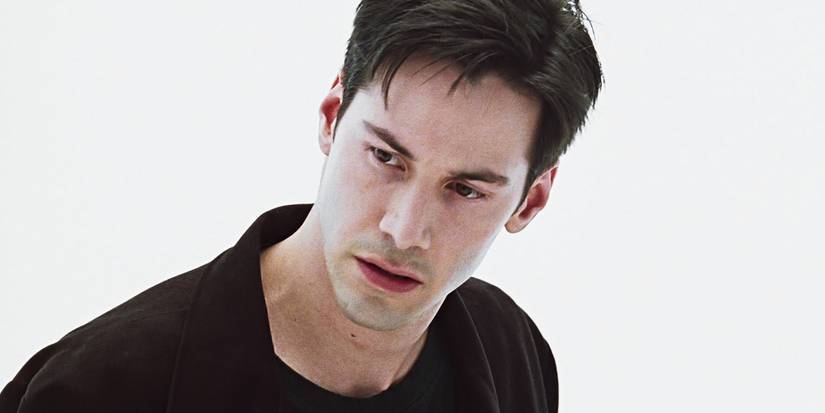
The Matrix is steeped in religious symbolism, particularly drawing parallels between Neo and Jesus Christ. Neo’s journey embodies the archetype of a messianic figure who is prophesied to save humanity. As “The One,” Neo holds extraordinary power within the simulated reality of the Matrix, and Morpheus’s faith in Neo’s destiny mirrors the role of religious faith in the absence of scientific proof.
Several layers of religious references enrich the film. Neo’s birth name “Thomas Anderson” subtly echoes biblical themes, with “Anderson” meaning “son of man,” a title Jesus uses for himself. Trinity’s name alludes to the Christian Holy Trinity, and key biblical verses like Mark 3:11 appear as Easter eggs in the film. The timing of the movie’s release around Easter further underscores the religious allegory.
Neo’s resurrection is the climax of these parallels. After seemingly dying, Neo returns to life, a direct nod to the resurrection of Jesus Christ. This resurrection scene serves as a powerful conclusion to Neo’s story, mirroring Jesus’ return, his proving of divinity, and eventual ascension into heaven with a promise to return again. In The Matrix, Neo’s ascension and defiant warning to the Machines signal the end of the film and his arc.
Why Following Neo’s Story Didn’t Work in the Sequels
In essence, The Matrix completed Neo’s journey – his resurrection and ascension aligned closely with the Jesus Christ story, which naturally suggests a finality. Creating sequels that continue the messianic narrative was a daunting task because it risked diluting the powerful symbolic conclusion of the original film.
The sequels attempted to explain, elaborate, and conclude the story of “The One” and his salvation of humanity. However, this proved difficult as the spiritual and philosophical questions raised by the original movie were vast and complex. Where the 1999 film posed meaningful questions, the later movies struggled to provide satisfying cinematic resolutions, making some of the philosophical dialogue feel convoluted or forced.
What This Means for The Matrix’s Future
With the Wachowskis stepping away, future films such as the new project led by Drew Goddard indicate a potential shift in direction for the franchise. It remains uncertain whether this film will be a direct sequel, a reboot, or a different take altogether. However, based on the lessons from earlier sequels, the best approach might involve exploring new narratives within the Matrix universe that do not center on Neo’s Jesus-like figure.
The Matrix mythos has always incorporated multi-faith symbolism beyond Christianity, offering a broad tapestry of spiritual and philosophical ideas to draw from. Future installments could benefit from introducing new protagonists inspired by alternative religious and philosophical traditions or exploring other dimensions of the Matrix world.
Importantly, the franchise should recognize the balance between asking profound questions and the difficulties of providing neat, Hollywood-style answers to deep philosophical mysteries. This understanding might help craft stories that resonate with audiences without overreaching.
Conclusion
The Matrix stands as a landmark film that expertly blends action, philosophy, and groundbreaking visuals. Yet, the religious symbolism that made Neo’s journey so impactful also set a natural end to his story, making sequels that try to extend his messianic narrative problematic. While the original film remains timeless, its sequels failed to capture the same magic due to their attempts to answer complex philosophical and spiritual questions in conventional blockbuster fashion.
Looking forward, the franchise’s future lies in fresh storytelling avenues that move beyond Neo’s role as “The One” and explore other facets of the Matrix universe. This approach could revitalize the series and reconnect with fans and new audiences alike. Share your thoughts in the comments and explore more at keeperfacts.com.