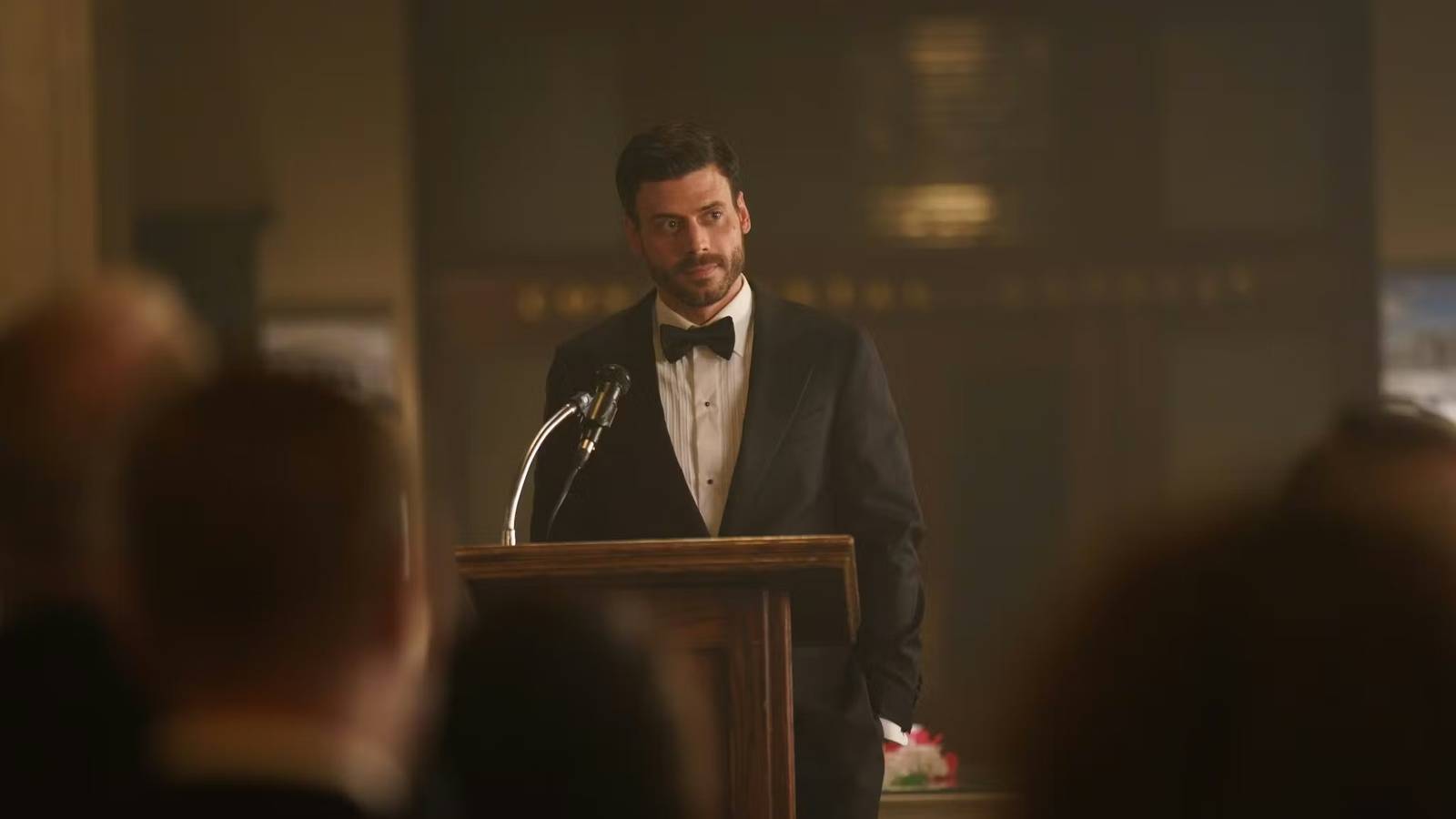
The television series Heated Rivalry has taken the streaming world by storm, becoming the #1 streaming series on HBO Max despite its origins as a relatively modest Canadian production. With resonant storytelling and groundbreaking queer representation, this series has captivated audiences and critics alike. Yet, surprisingly, Heated Rivalry isn’t eligible for Emmy nominations. This article explores why this has happened, the unique creative process behind the series, and what awards it can still compete for.
What Is “Heated Rivalry” and Why Has It Gained So Much Popularity?
Initially introduced as “the gay hockey show,” Heated Rivalry evolved beyond expectations, delivering some of the most poignant and emotionally charged depictions of queer love seen in modern television. Based on Rachel Reid’s Game Changers novels, the series quickly matured into a grassroots sensation over its concise six-episode first season. Its episode 5 even achieved a rare perfect score on Rotten Tomatoes, exemplifying its quality and cultural impact.
The show’s organic rise in popularity led it not only to surpass shows backed by big names like Stephen King but also to skyrocket to the top of HBO Max’s streaming charts. This achievement has brought the series into the spotlight for its artistic merit, heartfelt storytelling, and authentic representation.
Why HBO Max’s #1 Streaming Series Isn’t Eligible for Emmy Nominations
The key reason behind Heated Rivalry’s Emmy ineligibility lies in a strict eligibility rule set forth by the Television Academy. Specifically, to be considered for an Emmy, a TV series must have substantial financial or creative involvement from a U.S.-based production company before filming begins.
Unlike the Canadian-U.S. co-produced Emmy-winning Schitt’s Creek, Heated Rivalry was developed, financed, and produced entirely in Canada via Crave and Bell Media. HBO Max only joined as a distributor after filming was completed, meaning it did not have a creative or financial producing role during production. As detailed by Emmy rules, distribution deals made after filming do not make a series eligible for Emmy consideration.
This technicality may seem minor, but the Television Academy applies this rule with unquestioning rigor. Despite the show’s massive critical acclaim and cultural significance, it falls outside Emmy eligibility solely due to this timing and production structure.
Showrunner Jacob Tierney’s Role and Development Deal with Crave
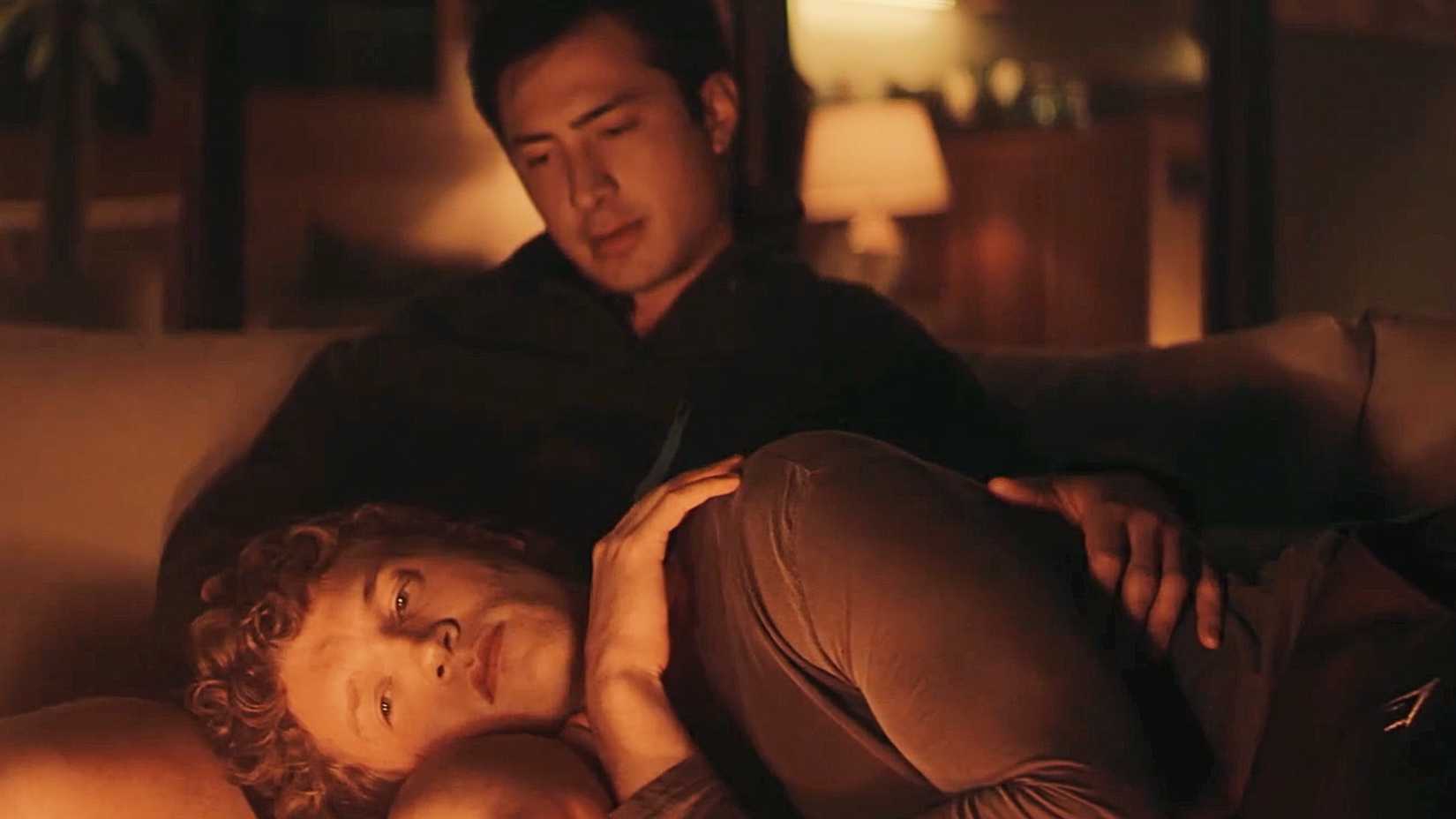
One of the standout reasons for Heated Rivalry’s success is its showrunner, Jacob Tierney. Known primarily for comedy series like Letterkenny and Shoresy, Tierney made a creative pivot toward the emotional depth required to authentically adapt Rachel Reid’s novels. As an openly gay man, Tierney infused the series with an honest portrayal of queer intimacy—balancing explicit scenes with moments of vulnerability, longing, and tenderness between the protagonists, Shane and Ilya.
Tierney’s creative freedom was bolstered by a unique deal with Crave, allowing him to resist network pressures to alter key scenes or soften the show’s emotional honesty. This trust-based relationship preserves the show’s authenticity and underscores why Heated Rivalry’s intimate storytelling resonates so deeply.

With the second season already greenlit, Tierney remains committed to maintaining creative control. HBO Max will continue as a distributor in the U.S. but is expected to keep its hands off the creative process. Ironically, this very autonomy—key to the show’s artistic integrity—is part of what excludes it from Emmy candidacy due to lack of early U.S. production involvement.
Awards Where Heated Rivalry Can Shine
Though excluded from the Primetime Emmys, Heated Rivalry remains eligible for other prestigious honors. First is the International Emmy Awards, which celebrate excellence in television produced outside the U.S. Given its global reach and critical acclaim, Heated Rivalry is a strong contender on this front.
Additionally, the series’ honest and unapologetic portrayal of queer relationships aligns well with the GLAAD Media Awards, which honor projects advancing LGBTQ representation. Heated Rivalry’s emotionally specific and sex-positive narratives make it a natural fit here.
Domestically, the series is eligible for the Canadian Screen Awards, Canada’s top television honors. Although these awards do not carry the Emmy’s global prestige, they are significant recognition of Canadian creative excellence, providing avenues to celebrate the show’s achievements in acting, directing, and writing.

One notable Emmy exclusion consequence is that even the show’s talented American actors, such as Connor Storrie (who convincingly portrays Russian but is Texan-born), Christina Chang, and Dylan Walsh, are ineligible for acting nominations because Emmy rules tie actor eligibility to the show’s overall eligibility, not the individual’s nationality.
Could HBO Max Push for an Emmy Rule Change?
HBO Max could, in theory, advocate for a rule change or a special exception for Heated Rivalry, as its situation is unusually compelling. The series was simultaneously premiered and marketed as a flagship HBO Max original in both the U.S. and Canada, blurring the lines between perceived American original content and the technical production realities.
Streaming has fundamentally transformed the television industry, often transcending traditional national boundaries. The Television Academy has altered Emmy rules before to keep pace with industry changes, especially considering the global nature of digital streaming cultures. Heated Rivalry’s position as a high-profile queer-focused series with U.S. cultural resonance presents a strong narrative to advocate for reconsideration of how distributor-led global releases are treated under current regulations.
Looking forward, the second season’s continued U.S. distribution by HBO Max, even without creative involvement, could open discussions about evolving Emmy eligibility rules. Furthermore, as the media landscape evolves—with the anticipated Netflix acquisition of Warner Bros. and HBO’s efforts to reinforce its brand—the network may see value in positioning Heated Rivalry as a flagship title worthy of awards consideration.
Conclusion
Heated Rivalry stands as a shining example of authentic queer storytelling that has captured audiences on HBO Max, yet technical production rules keep it from the Emmy spotlight. The show’s entirely Canadian production origin and late U.S. distributor involvement sharply contrast with its critical acclaim and cultural significance. Nonetheless, it remains a strong contender for international and Canadian awards, as well as LGBTQ-focused honors like the GLAAD Media Awards.
While HBO Max’s chance to push for a rule change is uncertain, the case of Heated Rivalry highlights evolving challenges in the era of global streaming. This series exemplifies how quality content can transcend borders, pushing for greater inclusivity in prestigious awards recognition. Share your thoughts in the comments and explore more at keeperfacts.com.