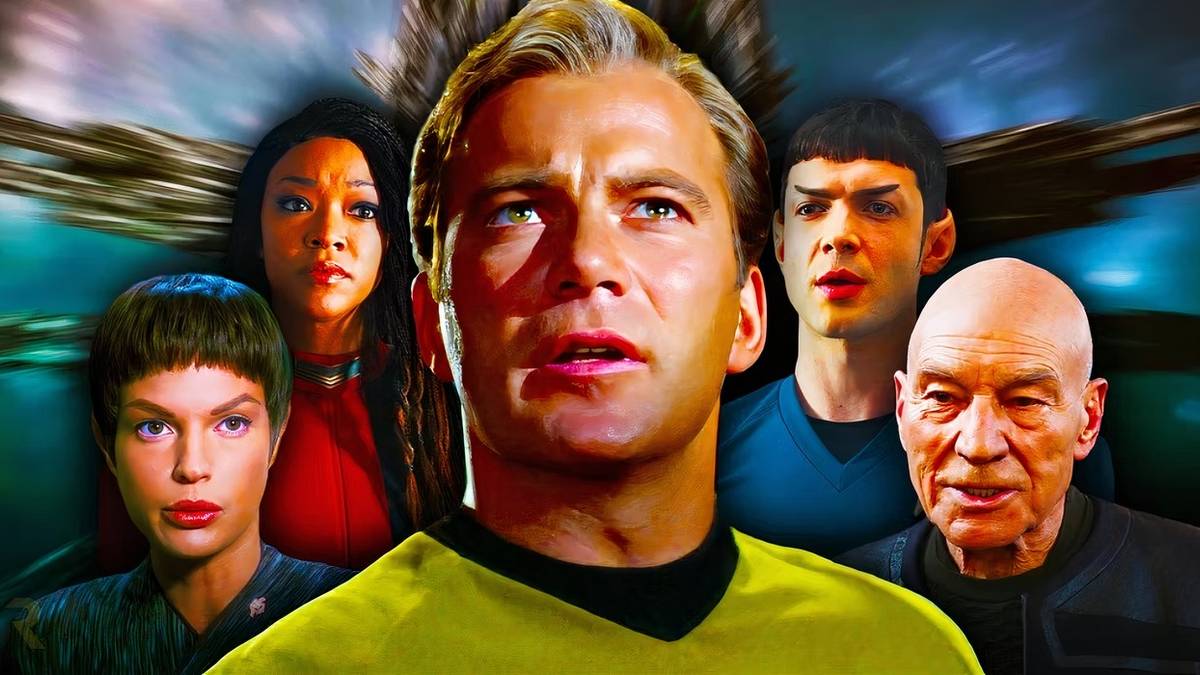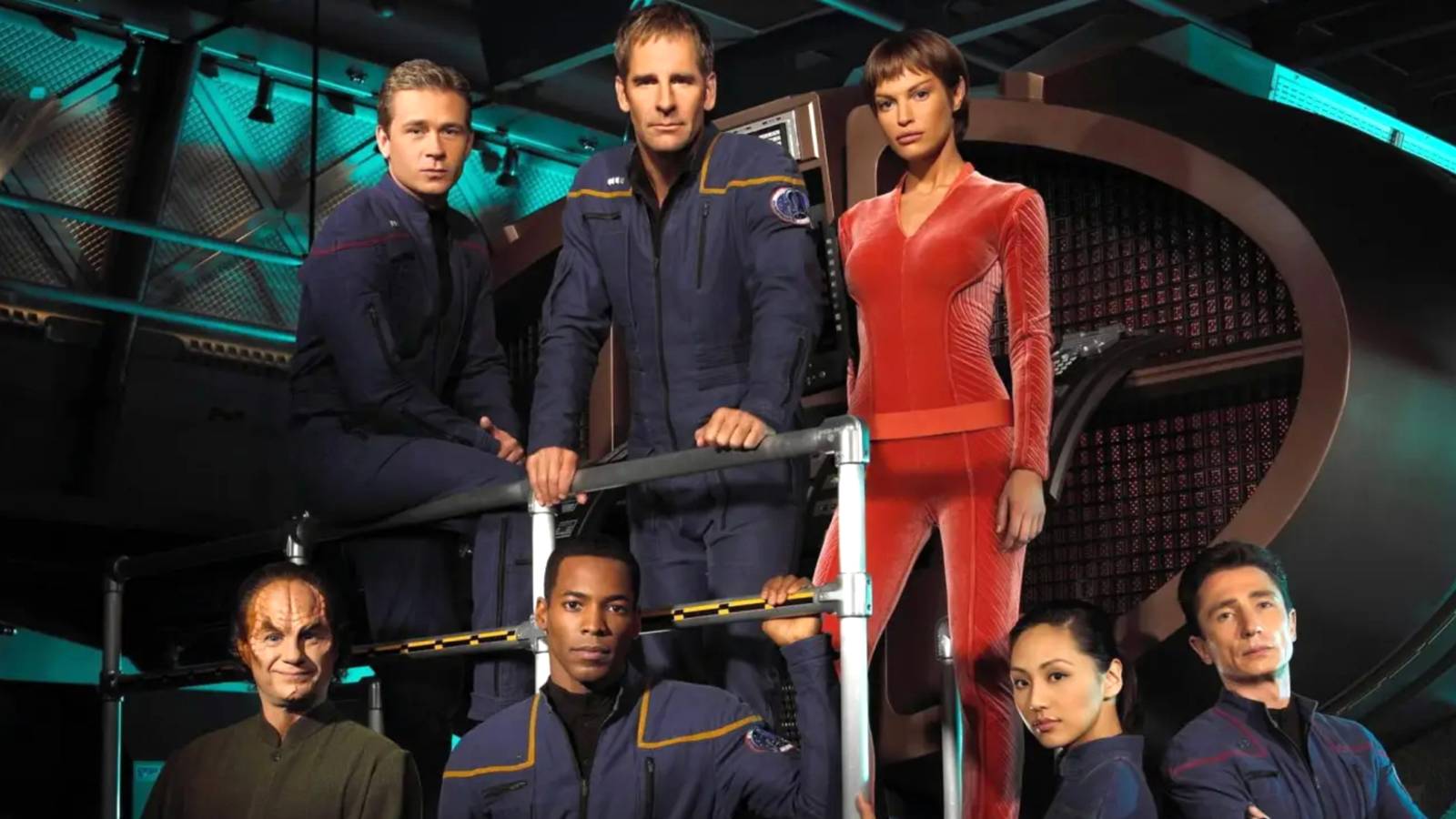
Star Trek: Enterprise, the prequel series that aired on UPN from 2001 to 2005, remains a beloved yet often debated chapter of the Star Trek franchise. While it delivered four seasons of thrilling adventures and character-driven stories, its series finale, “These Are The Voyages…,” has been criticized by fans and cast alike for over two decades. However, a lesser-known alternate ending concept for Enterprise could have offered a far more satisfying conclusion for fans, especially those invested in Captain Jonathan Archer’s legacy.
Understanding the Controversy of the Enterprise Finale
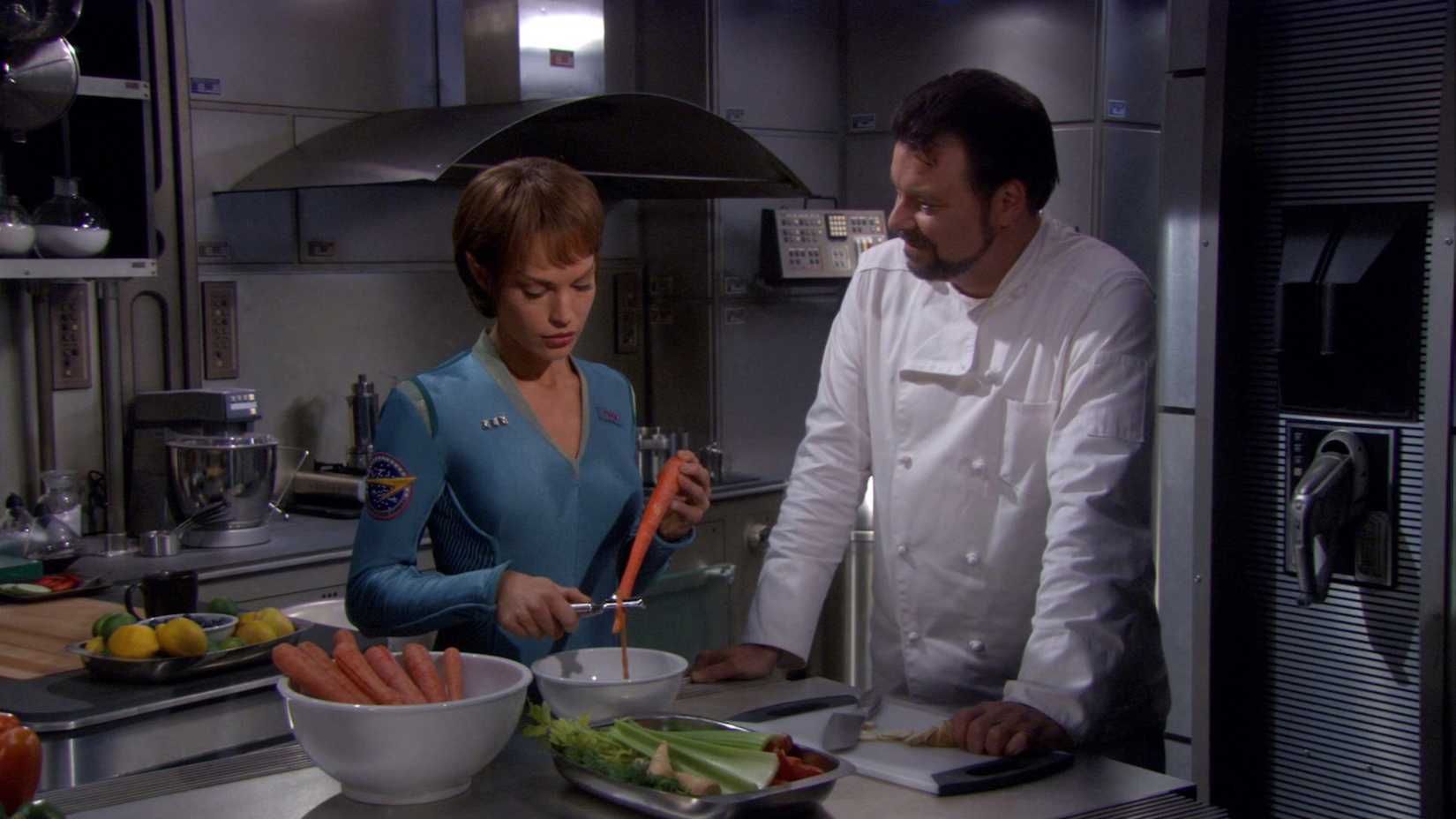
The final episode of Star Trek: Enterprise, written by executive producers Rick Berman and Brannon Braga, diverged from expectations by centering the narrative around characters from Star Trek: The Next Generation—Commander Will Riker (Jonathan Frakes) and Counselor Deanna Troi (Marina Sirtis)—instead of focusing on the main Enterprise crew. Set during the TNG season 7 episode “The Pegasus,” the finale used holograms of Captain Archer and his crew rather than their actual presence, much to the dismay of long-time fans.
This choice sparked backlash, leaving many feeling disconnected from the show’s protagonists and ultimately a disservice to the cast, who were reportedly unhappy with how their characters were sidelined in the final moments of the series.
An Alternate Star Trek: Enterprise Ending That Fans Would Cherish
Michael Sussman, a writer-producer for Star Trek: Enterprise, shared an intriguing alternate ending concept during a conversation on The Trek Files podcast. His idea centered on an elderly Captain Jonathan Archer witnessing the launch of the iconic Constitution-class USS Enterprise NCC-1701 in the year 2245.
According to Sussman, this imagined finale involved Archer, possibly over 130 years old, standing on the bridge of the USS Enterprise at its launch. This moment would have symbolically bridged the gap between the early exploratory NX-01 Enterprise and the legendary starship captained by Robert April (Adrian Holmes), visually tying the legacy of Archer directly to the future of Starfleet and the Federation.
As Sussman noted, humans living well past 100 years old has precedent within the Star Trek universe—Admiral Leonard McCoy, for example, was 137 during his appearance in TNG’s “Encounter at Farpoint.” Seeing Archer at this age, witnessing the new Enterprise’s first steps, would have been a touching and meaningful tribute to the character and the franchise.
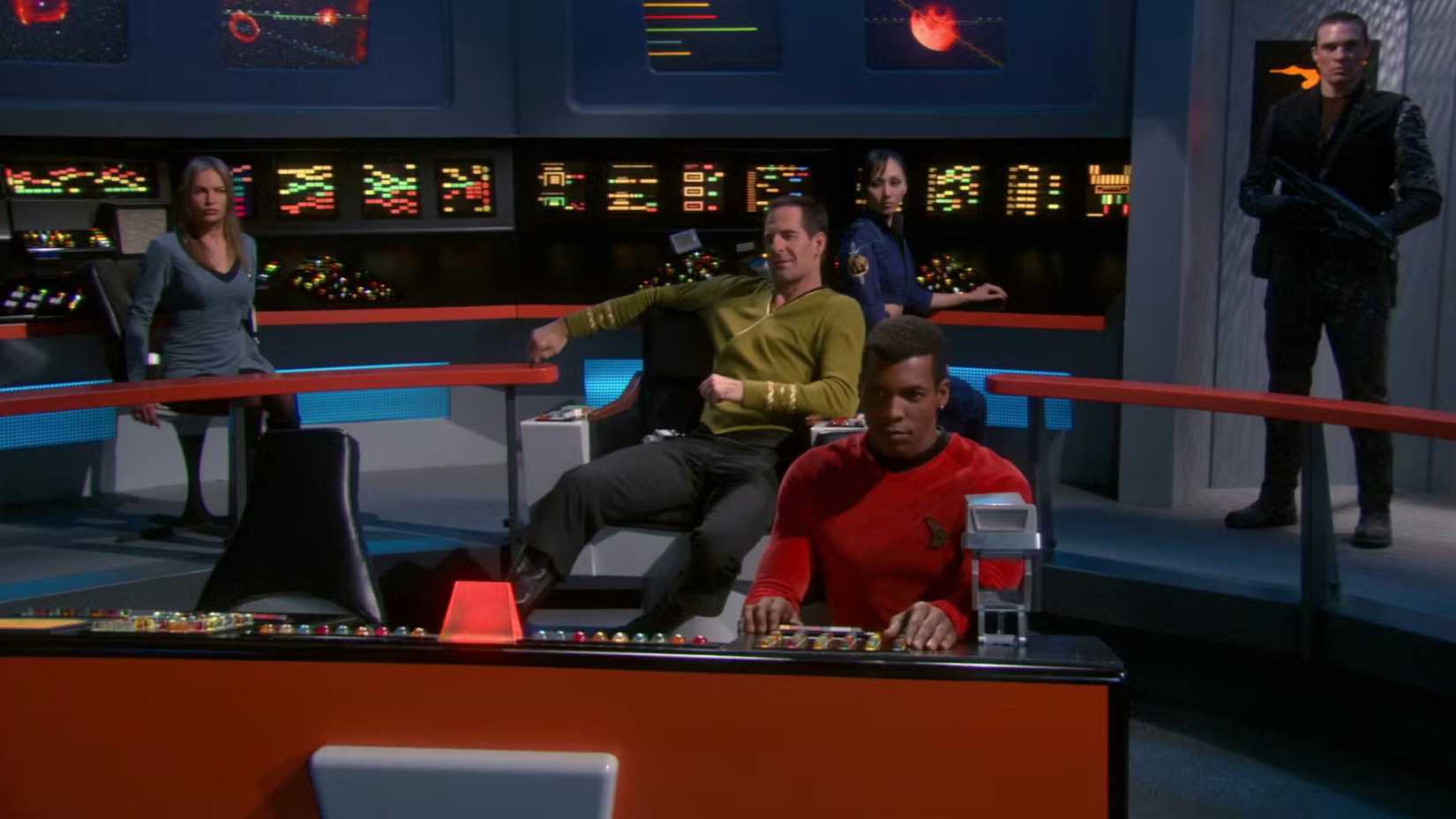
This concept, while never formally proposed to Rick Berman or Brannon Braga, highlighted an emotional closure not only for Archer but also for fans who had followed his journey throughout the series’ four seasons.
Why The Actual Finale Chose To Feature TNG Characters Instead
In an interview on The D-Con Chamber podcast, Berman and Braga explained their rationale for integrating Riker and Troi into the Enterprise finale. Their goal was to contextualize Enterprise within the larger Star Trek canon by connecting the 22nd-century prequel directly to the better-known eras of The Original Series and The Next Generation.
Because Enterprise was set so far back in Star Trek’s timeline, far removed from Kirk’s or Picard’s missions, they intended the finale to honor all 18 years of Star Trek television under Berman’s stewardship by creating a reflective framing device using Riker and Troi as narrators.
Despite the intention, fans largely rejected the choice, feeling it diminished the importance of Enterprise’s own characters. The gentle homage to Star Trek history did not resonate, and the series finale instead became one of the franchise’s most criticized conclusions.
Legacy and Potential: Scott Bakula’s Jonathan Archer Could Return
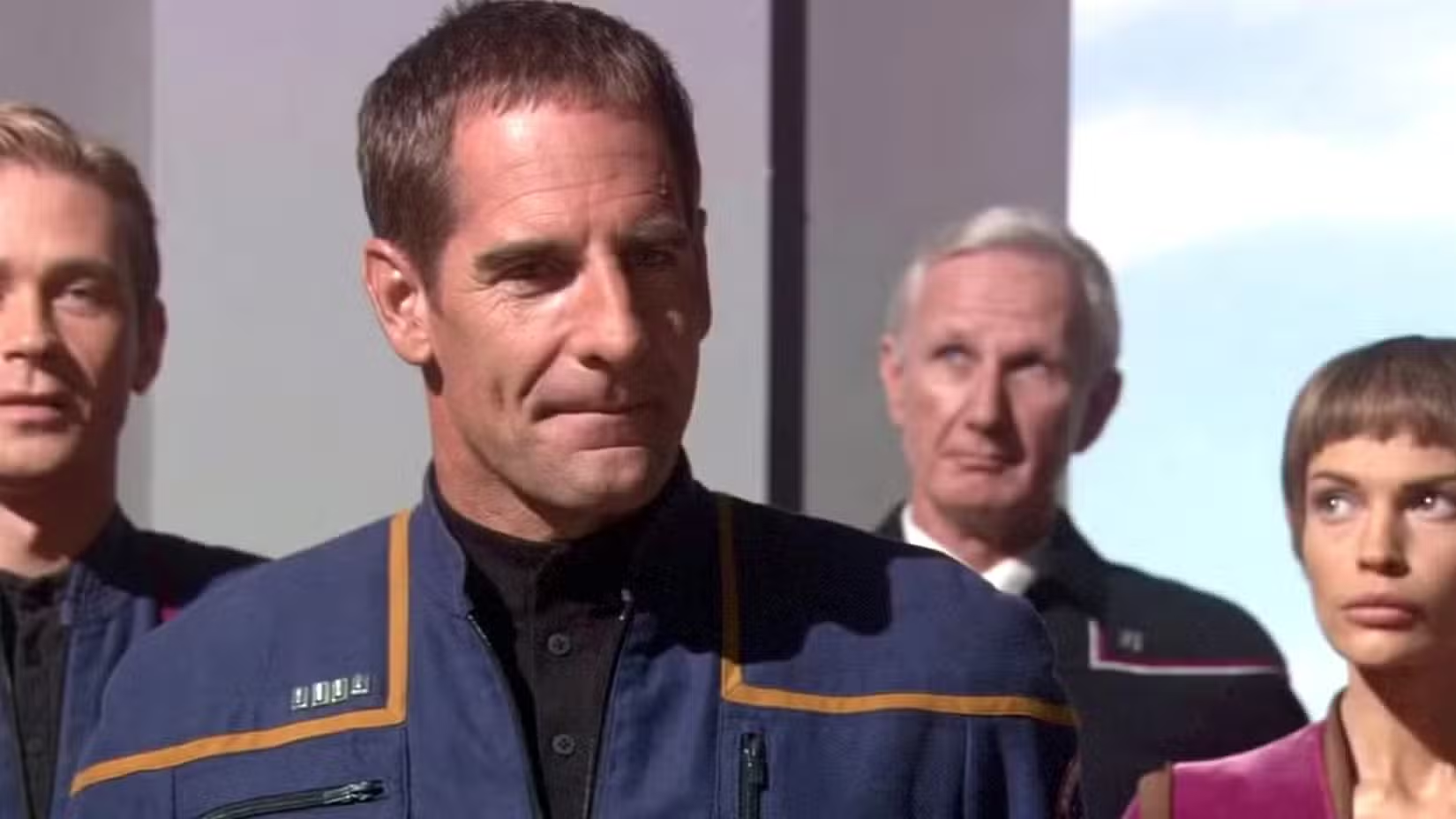
Interestingly, Michael Sussman’s work on Captain Archer’s biography did not end with Enterprise’s conclusion. It became the backbone for a new show concept, Star Trek: United, co-developed by Sussman and Scott Bakula, the actor who famously portrayed Archer.
Announced in 2025, Star Trek: United is envisioned as a political thriller and family drama centering on an older Jonathan Archer as President of the United Federation of Planets, alongside his adult children navigating Federation challenges. This series, while still in the speculative phase, excited fans eager for Bakula’s return and an expanded exploration of Archer’s legacy.
If greenlit, Star Trek: United may fulfill the emotional arc originally imagined in that alternate Enterprise finale, potentially giving viewers the long-sought image of a venerable Archer witnessing the next great era of Starfleet.
Conclusion
While Star Trek: Enterprise’s finale “These Are The Voyages…” sought to honor the entire Star Trek legacy by pairing the Enterprise crew’s story with familiar Next Generation characters, it inadvertently alienated many fans who cherished the original cast and storylines. The alternate ending envisioned by Michael Sussman, featuring an elderly Jonathan Archer observing the historic launch of the NCC-1701, offered a more heartfelt and logically satisfying conclusion connecting Star Trek’s past and future.
This alternate vision not only underscores the creative potential that existed for the series’ ending but also keeps hope alive for future storytelling centered around Jonathan Archer, especially with the promising concept of Star Trek: United on the horizon. Share your thoughts in the comments and explore more at keeperfacts.com.