Avatar: Fire & Ash, the latest installment in James Cameron’s groundbreaking franchise, has delivered the spectacular visual effects and immersive action sequences fans expect. However, critical reception has been mixed, with many reviewers noting a strong sense of narrative repetition that echoes its predecessors. While the film excites with its technical prowess and breathtaking scenes, the story’s familiar beats reveal a deeper thematic purpose that the Avatar franchise has been exploring all along.
Familiarity in Fire & Ash: Repetition or Intentional Storytelling?
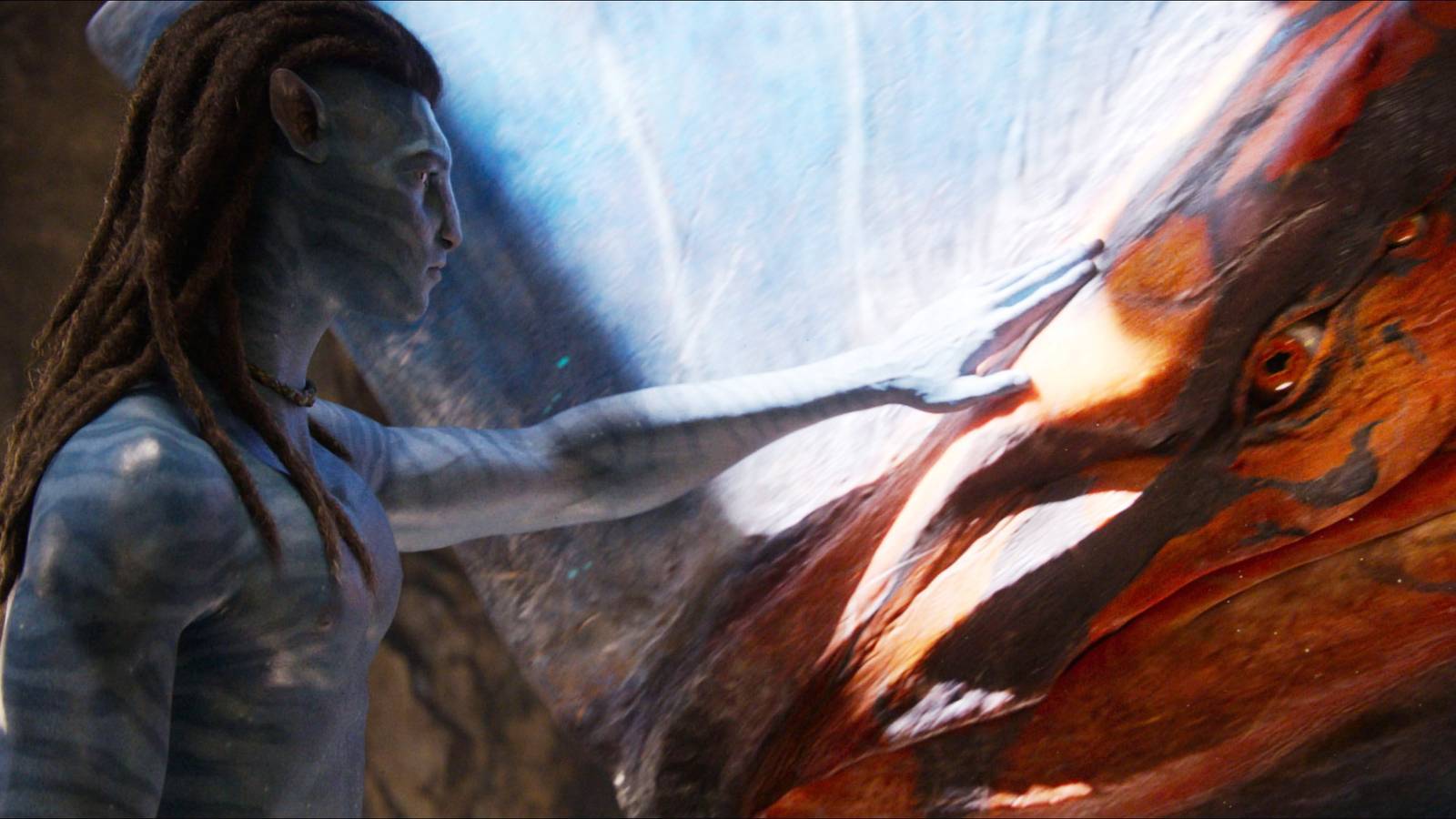
The final act of Fire & Ash notably reprises several key moments from the earlier films, drawing explicit parallels that some viewers might interpret as a lack of originality. Iconic scenes such as Jake Sully’s reunion with Toruk and the rallying of Pandora’s clans against the “Sky People” are reminiscent of the first film. The intervention of Eywa, the spiritual force guiding Pandora, and the mobilization of its creatures evoke déjà vu, as does the breaking of the Tulkun’s law of pacifism during a dramatic naval confrontation.
Even specific imagery—like Toruk hurling a helicopter or the human casualties during sea battles—mirrors previous installments. This scale of repetition suggests intentionality rather than oversight. Some have attributed this to the franchise’s creative development, where the plots of The Way of Water and Fire & Ash were originally meant to be a single movie split into two. Yet, a closer look reveals that this narrative recycling represents a core theme: the inescapable cycle of conflict and consequences faced by Pandora and its inhabitants.
Exploring the Tulkun’s Pacifism and Its Thematic Weight

The film heavily explores the ideological question initially raised in The Way of Water: Is the Tulkun’s strict adherence to pacifism the right response when facing the existential threat of humans? The Tulkun elders, who symbolically and literally represent peace, refuse to abandon their tradition despite the risk of extinction. Their belief is clear—violence only spirals into more violence, perpetuating endless cycles of destruction.
While their intervention in combat scenes is portrayed as heroic and victorious on-screen, the repetition of these battles within the franchise underscores a sobering truth: the cycle continues and escalates. Each victory leads to a larger confrontation, suggesting that though these moments might seem triumphal, they ultimately contribute to a perpetual conflict with little resolution.
This cyclical violence challenges the Na’vi heroes’ triumphs, highlighting the gravity of the ongoing struggle. Jake Sully’s union of Pandora’s clans, powerful though it appears, feels more like a rallying for a doomed stand rather than lasting peace. Even Eywa’s interventions, crucial in turning tides, do not offer a definitive solution to escaping violence’s spiral.
Parallel Character Arcs Reflecting the Violence Spiral

The film also crafts a mirrored narrative between Jake Sully and his adversary, Quaritch, both trapped within this violent cycle yet making divergent choices. Jake’s ideological conflict with Neytiri—torn between protector and avenger—reflects the broader theme of whether violence poisons the heart or if it’s a necessary defense.
The pivotal moment involving the character Spider further complicates this moral debate. Jake contemplates executing Spider to prevent human technology from falling into enemy hands, a stance Neytiri initially supports. Yet when faced with the harsh reality of violence and loss, both choose mercy, breaking one cycle of death and retribution. This act also fortifies the theme of hope amid repeated violence.
Quaritch’s arc contrasts starkly as he allies himself with Varang, a new character embodying hatred and destruction through her manipulation of Pandora’s spiritual connection. Unlike Jake, Quaritch embraces violence as a tool for dominance, underscoring the divergent paths possible within the same spiral of conflict.
Why the Repetition Is the Heart of Avatar’s Message

Ultimately, the repetition in Fire & Ash is not simply a retread of old plot points but a deliberate narrative strategy. It immerses audiences in the relentless cycle of violence, environmental destruction, and moral choices that define not just Pandora but reflect real-world issues.
The ending carries a bittersweet note: while some individuals like Jake and Spider find transformation and hope through their bonds with Eywa and the Na’vi, the overall conflict persists. Quaritch’s retreat into isolation and continuing hostility suggests the broader war is far from over.
This cyclical struggle mirrors humanity’s challenging relationship with nature and violence—how progress and retaliation often perpetuate harm rather than resolve it. Cameron’s trilogy, through its narrative and visual echoes, asks viewers to recognize this pattern in our own world and consider the necessity for collective change before irreversible damage occurs.
Conclusion
Avatar: Fire & Ash may have received mixed reviews for its familiar story arcs, but this repetition reveals the franchise’s core message—highlighting the continual cycle of violence and the urgent need for change. By intentionally recycling its narrative themes, the film invites us to reflect on how we relate to violence, environmental stewardship, and the potential for hope through connection and empathy.
As the Avatar saga unfolds, it serves as an allegory for humanity’s path, reminding us that without collective efforts toward peace and understanding, we risk being trapped in endless conflict. Fire & Ash challenges us to break these cycles, embracing new ways forward inspired by the Na’vi and their world. Share your thoughts in the comments and explore more at keeperfacts.com.