Warning! Spoilers ahead for Fallout Season 2, Episode 3.
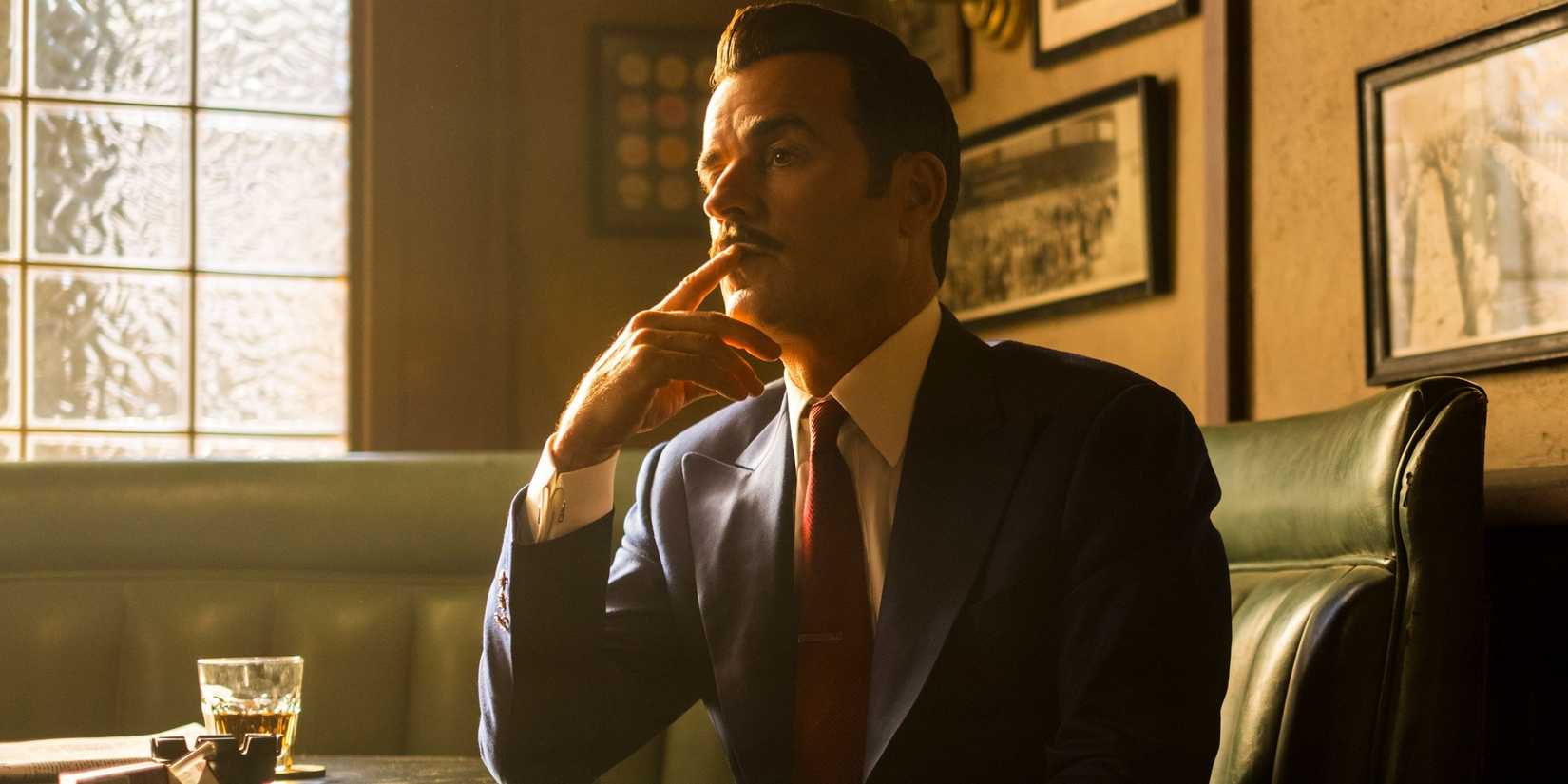
In the captivating world of Fallout Season 2, a recent episode introduced a historically charged term when Robert House, portrayed by Justin Theroux, called Cooper Howard a “pinko.” This brief but significant insult opens a window into the rich socio-political undertones woven into the show’s narrative. But what exactly does “pinko” mean, and why was it used in this context? This article dives deep into the meaning behind the term and why it fits perfectly within Fallout’s retrofuturistic 1950s-inspired world.
Robert House Calls Cooper Howard a “Pinko” — The Meaning Behind the Term
In Fallout Season 2, Episode 3, Robert House refers to Cooper Howard with the term “pinko,” a word with roots stretching back to Cold War-era politics. Historically, “pinko” was a derogatory label used primarily in the United States to describe individuals who harbored communist sympathies without fully embracing communism. These “pinko” individuals were seen as somewhat left-leaning, perhaps leaning towards communist ideology but not committed enough to be considered full-fledged communists.
The term itself is derived from the color red, symbolizing communism, with “pinko” implying a lighter shade of red — someone who is a diluted or semi-communist. It was often aimed at liberals who failed to join the anti-communist movement but didn’t necessarily align fully with communist ideology either.
This term feels especially fitting in Fallout’s depiction of a pre-Great War America that is steeped in 1950s aesthetics yet infused with futuristic technology. By using such historically charged language, the show captures a blend of political paranoia and social tensions that closely mirrors both the period it references and contemporary political divides.
Why Did Robert House Label Cooper Howard a “Pinko”?
Justin Theroux’s enigmatic portrayal of Robert House brings a complex antagonist to Fallout’s screen, engaging in layered cultural and political commentary. Cooper Howard’s character is multifaceted — while he does not explicitly identify as a communist, his political beliefs are nuanced and evolve drastically throughout the season.
Cooper’s background, particularly his experiences during the Sino-American War, initially shaped him as a staunch anti-communist. Yet, disillusioned by the corruption and greed that plagues the post-war American government, notably its sale to corporations, Cooper’s ideology begins to shift. His relationships, including befriending a committed communist and attending “radical” meetings, further complicate his beliefs.
This transition places Cooper in a political gray area, perfectly embodied by the term “pinko.” He is neither fully committed to communism nor fully opposed to it. Instead, he exists somewhere in the middle — a semi-communist sympathizer, which is precisely what the term implies.
Cooper Howard’s Political Journey in Fallout Season 2
Fallout Season 2 uses Cooper’s journey to explore larger political themes reflective of both its fictional world and real-world history. His shifting ideology symbolizes the discontent and unrest felt by many in the harsh environment of the post-apocalyptic world. The show contributes a deeper contextual layer by blending Cold War fears with a retrofuturistic narrative style reminiscent of 1950s America.
Critically, Cooper’s political change is not abrupt but shaped by significant personal and societal events, reinforcing the idea that people’s beliefs can evolve over time due to their experiences. Fallout uses this to highlight important themes of loyalty, power, and ideology.

The Fallout Series’ Unique Take on 1950s Americana and Political Divisions
The Fallout universe is a creative mix of futuristic technology and 1950s Americana aesthetics, providing a unique backdrop for political discourse. By integrating terms like “pinko” and focusing characters’ development around political ideologies, Fallout Season 2 successfully reflects the tension and atmosphere of the Cold War era.
This setting allows the show to juxtapose a highly advanced, technologically driven world with the simplistic yet profound socio-political fears and divisions of a bygone era. More than just a period piece, Fallout crafts a narrative that resonates with contemporary viewers by examining themes of government distrust, ideological conflict, and the cost of progress.
Conclusion
In conclusion, the use of the word “pinko” by Justin Theroux’s character Robert House to describe Cooper Howard in Fallout Season 2 is rich in historical significance and narrative depth. It highlights Cooper’s complex political stance and enriches the show’s portrayal of a retrofuturistic 1950s America fraught with ideological conflict. Through this lens, Fallout explores broader themes of loyalty, disillusionment, and the evolving nature of political beliefs.
Call to Action: Share your thoughts in the comments and explore more at keeperfacts.com.