
Rob Reiner’s Stephen King adaptations marked a pivotal moment in the cinematic portrayal of one of America’s most prolific authors. Before Reiner’s influential films, Stephen King’s work was often dismissed by critics as mere pulp horror, despite early adaptations by notable directors like Brian De Palma, John Carpenter, David Cronenberg, and Stanley Kubrick. Reiner’s unique approach not only popularized King’s stories beyond horror but also helped redefine King’s reputation as a serious writer with complex characters and compelling narratives.
Rob Reiner Directed Two of the Greatest Stephen King Adaptations
Rob Reiner, born March 6, 1947, in The Bronx, New York, is renowned for his impressive directorial work throughout the 1980s and 1990s, including classics like This Is Spinal Tap and A Few Good Men. Among his most celebrated achievements are two film adaptations of Stephen King’s works: Stand by Me and Misery.
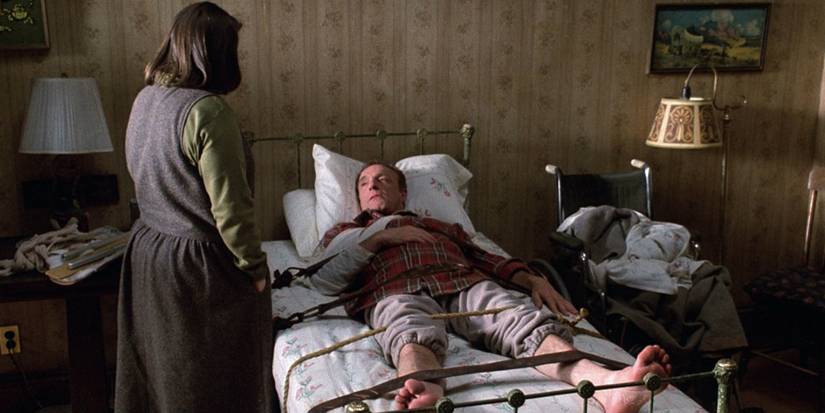
Misery features James Caan as a famous author held captive by his obsessive fan Annie Wilkes, portrayed with chilling brilliance by Kathy Bates. This film garnered Bates an Academy Award for Best Actress—the only Oscar win to date for a Stephen King adaptation. While Misery isn’t strictly a horror movie, it delivers high levels of tension and psychological dread, showcasing Reiner’s skill in creating gripping, character-driven stories.
Stand by Me stands apart as the first non-horror film adapted from King’s oeuvre. It’s a heartfelt coming-of-age drama about four friends on a quest to find a dead body, featuring memorable performances from young stars like River Phoenix and Wil Wheaton. Reiner’s direction brought out the warmth, humor, and humanity from King’s novella “The Body,” proving the author’s versatility far beyond scary tales.
Stand by Me Helped Reframe Stephen King’s Image as a Writer
Prior to Reiner’s adaptations, King’s filmography was a mix of hits and misses, with titles like Firestarter, Children of the Corn, and King’s own directorial flub Maximum Overdrive doing little to earn him critical respect. Many viewed King as a pulp horror writer, whose best stories were overshadowed by gimmicks like killer cars or supernatural towns.

Stand by Me was instrumental in changing that narrative. It was surprising and refreshing for audiences and critics alike to witness such a tender, character-driven story emerge from the same author known for horror staples like Christine and Salem’s Lot. This film illuminated King’s ability to create memorable characters and authentic dialogue, earning him a newfound respect within literary and cinematic circles.
Rob Reiner’s Role as Producer: Elevating More Stephen King Stories
Beyond directing, Rob Reiner made a lasting impact on King’s film legacy through his role as co-founder of Castle Rock Entertainment in the late 1980s. Named after King’s fictional Maine town, Castle Rock became a powerhouse production company championing creative freedom and quality adaptations.

Castle Rock produced some of the finest King adaptations, including The Shawshank Redemption, widely regarded as the greatest live-action Stephen King film. Other notable productions include Dolores Claiborne and The Green Mile, both praised for their strong narratives and emotional depth. While Castle Rock also produced some less beloved King films like Needful Things and Dreamcatcher, its overall contribution to King’s cinematic catalogue is monumental.
Rob Reiner’s Respect for Stephen King’s Craft
In an unpublished interview with The National, Rob Reiner expressed his admiration for Stephen King—not just as a master of horror but as “one of the great American writers.” Reiner was drawn to King’s skill in crafting rich characters and sharp dialogue rather than simply the supernatural elements his reputation suggested.
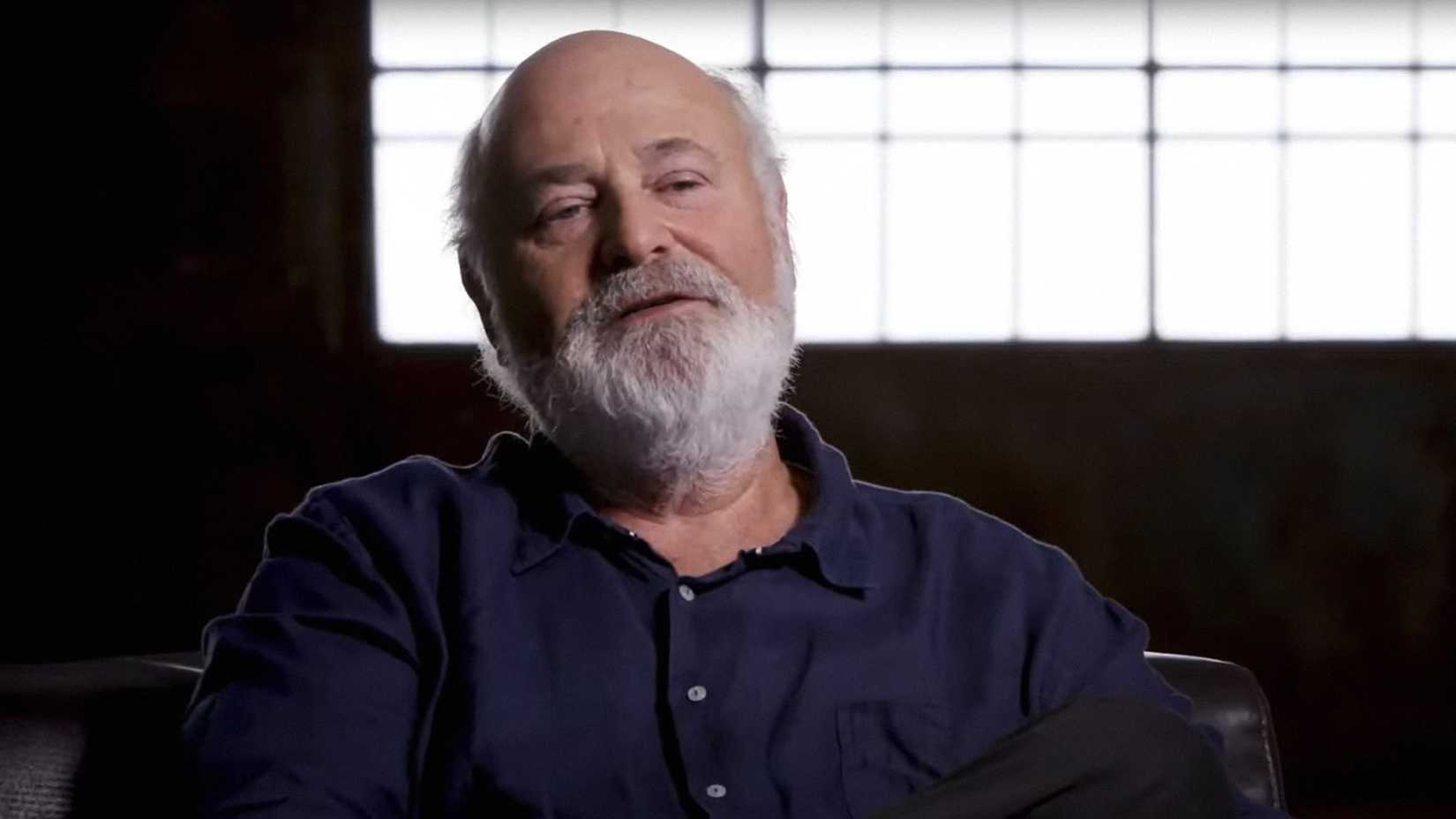
His personal connection to the material shines through in his adaptations, which emphasize warmth, intelligence, and humanity. It is this character-focused approach that elevated King’s stories into timeless classics under Reiner’s direction.
Conclusion
Rob Reiner’s Stephen King adaptations not only reshaped the film industry’s approach to King’s work but also played a crucial role in redefining Stephen King himself. From the heartfelt drama of Stand by Me to the harrowing tension of Misery, Reiner highlighted King’s talent for narrative depth and character complexity, earning the author the respect he truly deserves. As a director and producer, Reiner helped usher in a new era where King’s stories were appreciated not just as horror but as profound explorations of humanity. Share your thoughts in the comments and explore more at keeperfacts.com.