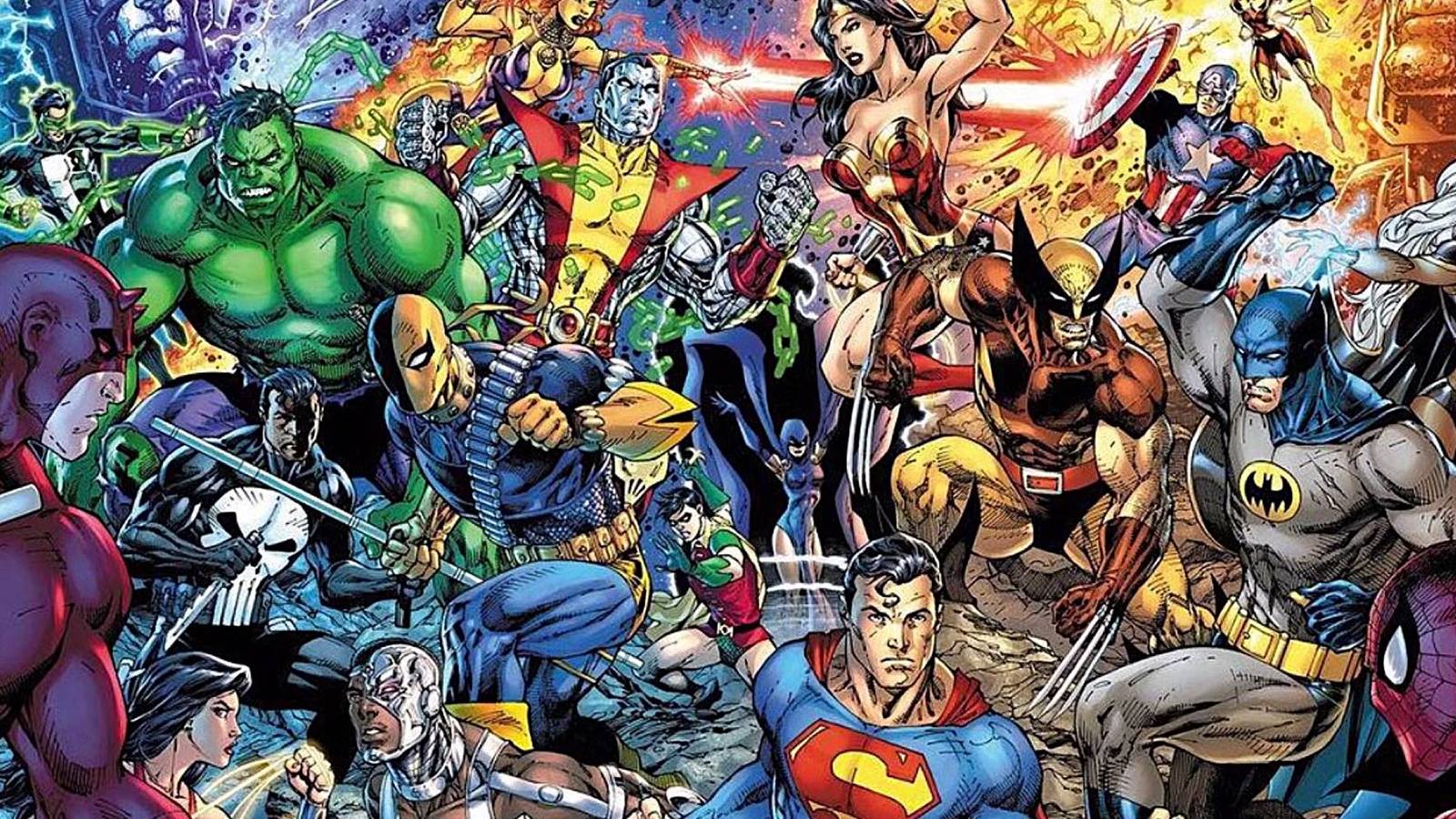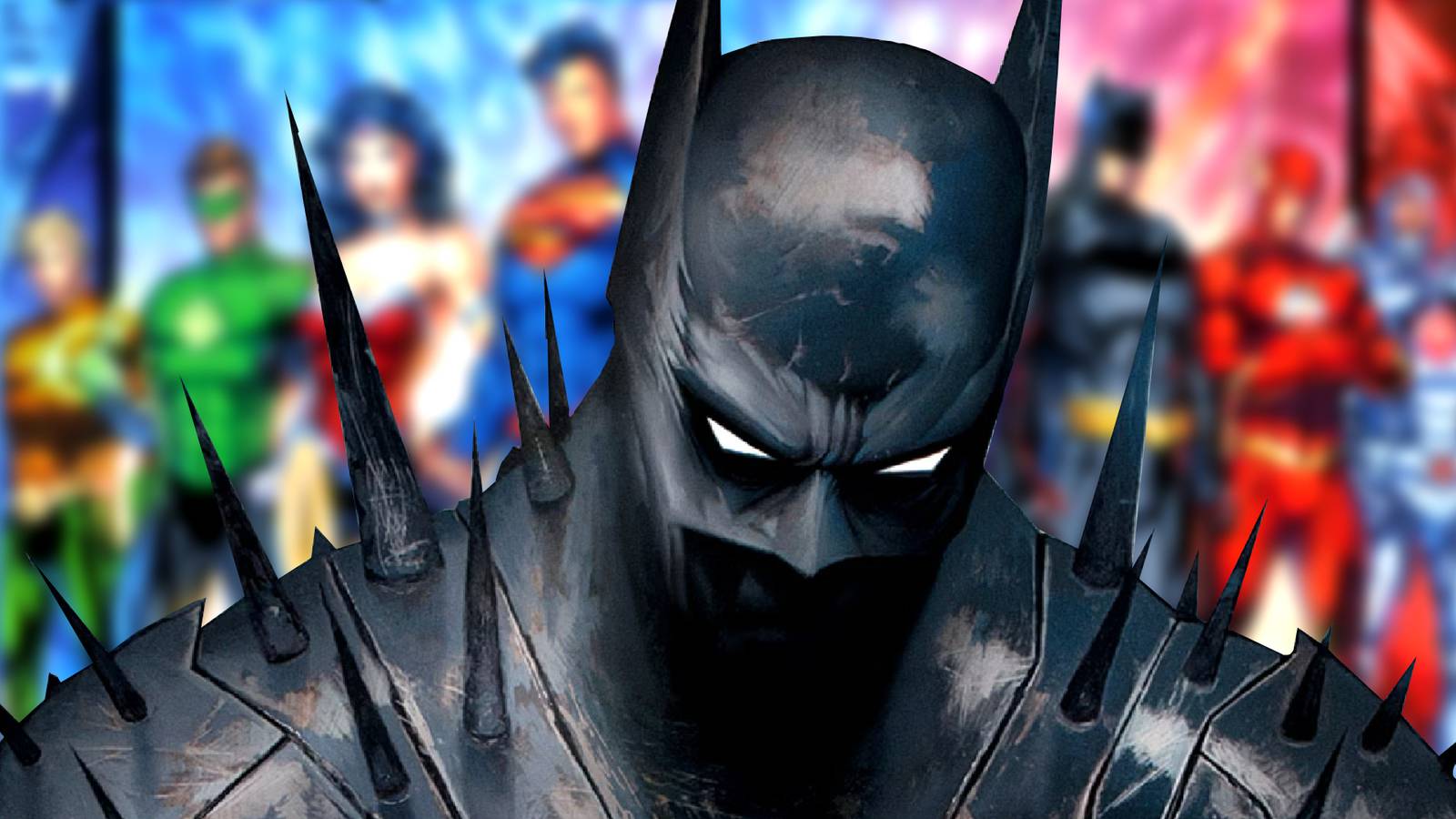
Nearly 14 years ago, DC Comics launched one of its most ambitious yet controversial projects: The New 52. While initially celebrated as a bold reboot aimed at revitalizing iconic characters like Batman, Superman, and Wonder Woman, The New 52’s journey turned out to be one of DC’s greatest creative flops.
However, this sweeping reset has unexpectedly become instrumental in shaping the future of Batman and the entire DC Universe through the innovative Absolute Universe initiative. This article delves into how DC learned from past missteps and is now leveraging The New 52 lessons to rejuvenate the Dark Knight’s legacy and rebuild its superhero brand with fresh energy.
The New 52: DC’s Bold Experiment and Its Fallout
Launched in 2011, The New 52 was a massive publishing reset featuring 52 ongoing comic titles simultaneously. DC aimed to attract new readers while modernizing decades of its rich continuity. Initially, the reboot succeeded spectacularly — it garnered significant media attention, boosted sales, and sparked renewed interest in DC’s universe.
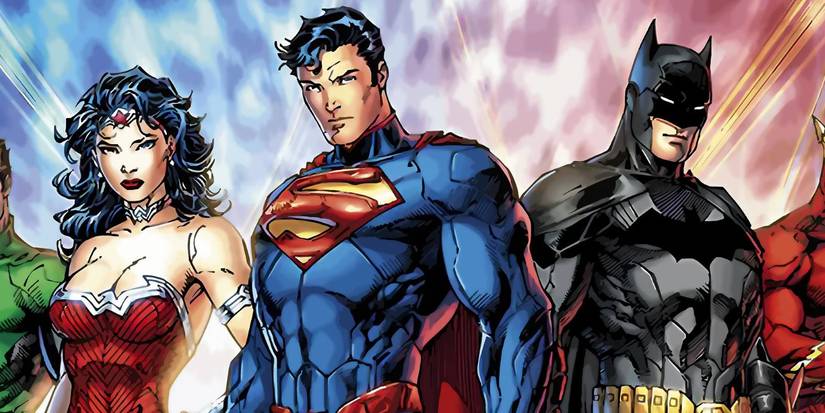
However, the quick overhaul brought unintended consequences. It wiped away extensive parts of legacy continuity, leaving longtime fans frustrated. Creative clashes behind the scenes and editorial interventions created instability, making it challenging for stories to organically flourish.
As DC executive editor Chris Conroy reflected in a recent interview, The New 52 was an exciting but unpredictable “lighting in a bottle” moment. Although it momentarily put DC on top in sales battles, the momentum was short-lived and ultimately fizzled out. Nevertheless, this dark chapter was not without silver linings — it taught DC critical lessons about handling legacy, creator input, and fan expectations.
Applying New 52 Lessons: The Rise of the Absolute Universe
Fast forward to October 2024, DC debuted the Absolute Universe, a refreshing new approach that clearly builds upon what worked — and importantly what didn’t — from The New 52 era. Unlike the sprawling 52-title roster of the past, the Absolute Universe currently contains fewer than six titles, meaning it feels more intimate and creative freedom flourishes.
Rather than acting as a hard reboot that erases continuity, the Absolute Universe exists separately from the main DC timeline. This allows stories room to grow and evolve without risking the loss of established history. The approach is much more creator-driven, empowering writers and artists to explore fresh ideas without editorial heavy-handedness. Connections between the Absolute Universe and the main DC timeline are forming organically, especially highlighted during crossover events like the ongoing DC K.O. series.
Absolute Batman: A New Dark Knight for a New Era
No title exemplifies the Absolute Universe’s success more than Absolute Batman, a collaborative work by Scott Snyder and Nick Dragotta. This iteration of Gotham City is darker and grittier than ever before. The Absolute Batman has stripped away Bruce Wayne’s traditional wealth and resources, presenting a Dark Knight who relies purely on his wits and resilience.
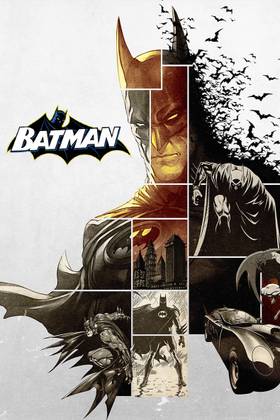
The villains in this universe receive radical redesigns, offering fresh and terrifying new takes that have sparked massive online buzz, especially surrounding the upcoming Absolute Joker. This fresh tone and approach demonstrate how DC has harnessed experimental storytelling learned from The New 52 to deliver something captivating and innovative while still honoring Batman’s core essence.
Why The New 52’s Biggest Flop Is Now a Foundation of Success
In hindsight, The New 52 served as both a cautionary tale and a valuable learning experience for DC Comics. Its rapid overhaul taught the company about the value of balancing legacy with new creative visions. The risks and mistakes of that era paved the way for more sustainable and player-friendly approaches like the Absolute Universe.
By starting smaller and empowering creative teams, DC has created a universe where stories can breathe while still appealing to fans of all generations. The Absolute Universe may feel like a fresh start, but it deeply respects the lessons of the past. This balance between innovation and tradition is now helping rescue Batman’s status as a flagship hero and revitalizing DC’s brand identity.
Conclusion
DC Comics’ New 52 initiative may have stumbled initially, but it was a bold experiment that set the stage for the company’s current renaissance through the Absolute Universe. By learning from past challenges and embracing a more focused, creator-driven approach, DC is breathing new life into Batman and its superhero lineup. The Absolute Universe stands as a testament to how setbacks can sow the seeds for future success, balancing legacy with innovation and captivating longtime fans while attracting new audiences. Batman’s revival within this new framework is a powerful example of how lessons from failure can lead to lasting triumphs. Share your thoughts in the comments and explore more at keeperfacts.com.