James Cameron is renowned for his groundbreaking work in cinematic visuals, and Avatar: Fire & Ash, the latest installment in the Avatar franchise, showcases why he remains the master of visual storytelling. This film’s final battle is a breathtaking example of how Cameron skillfully blends homage with innovation to create a spectacle that is both familiar and astonishingly new, setting a high standard for science fiction and fantasy filmmaking.
The Final Battle Starts as a Powerful Homage to Previous Avatar Films
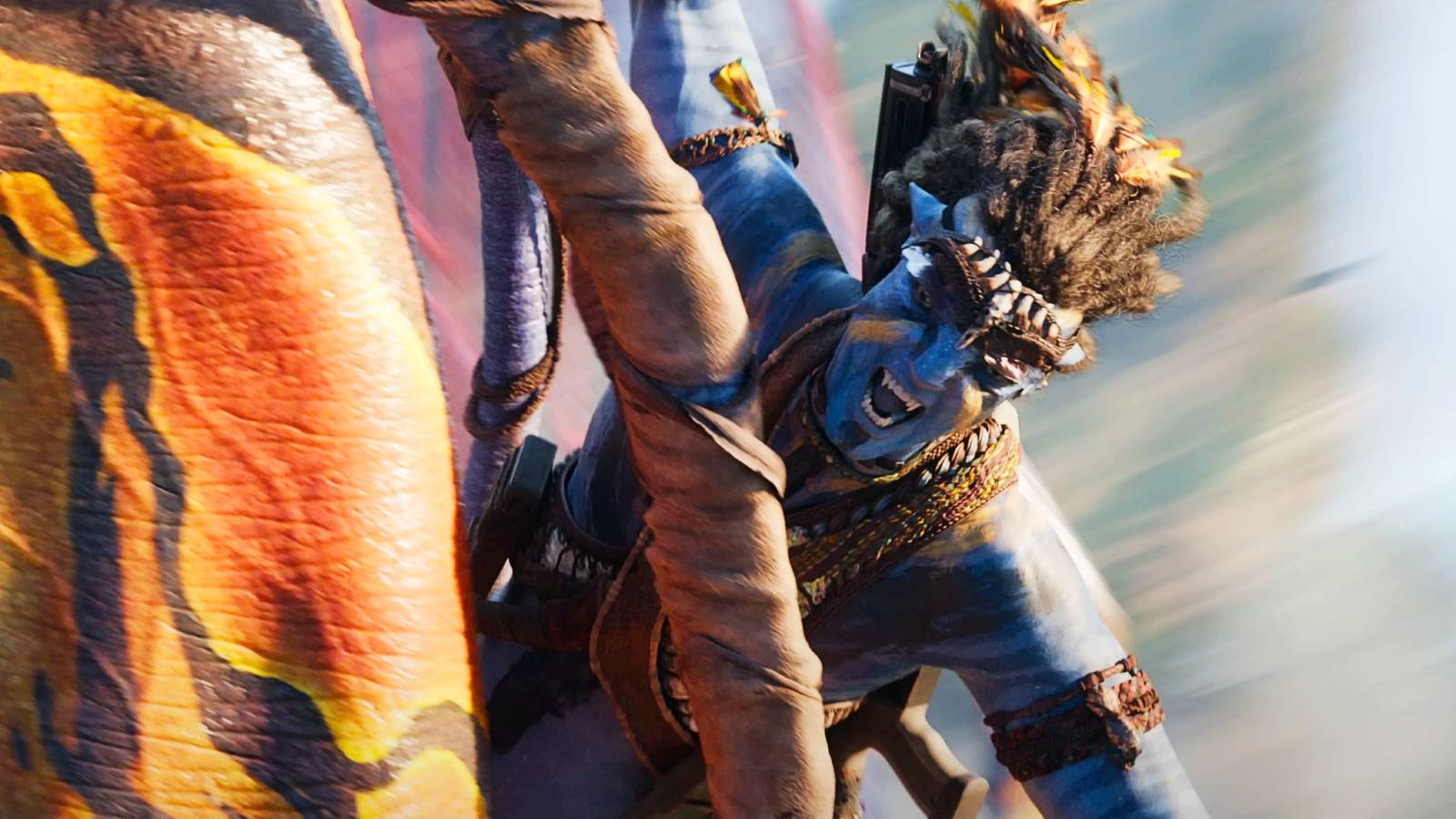
The climactic fight in Avatar: Fire & Ash initially grounds itself in the familiar imagery and dynamics that fans have come to recognize from the first two films. Toby’s return as Toruk Makto echoes the iconic scenes from 2009’s Avatar, where Jake Sully once again takes to the skies on the mighty Toruk. Skimwings soaring above watery battlegrounds recall the intense aerial combat of The Way of Water (2023), while the myriad RDA ships filling both sea and sky masterfully blend elements from both prior movies.
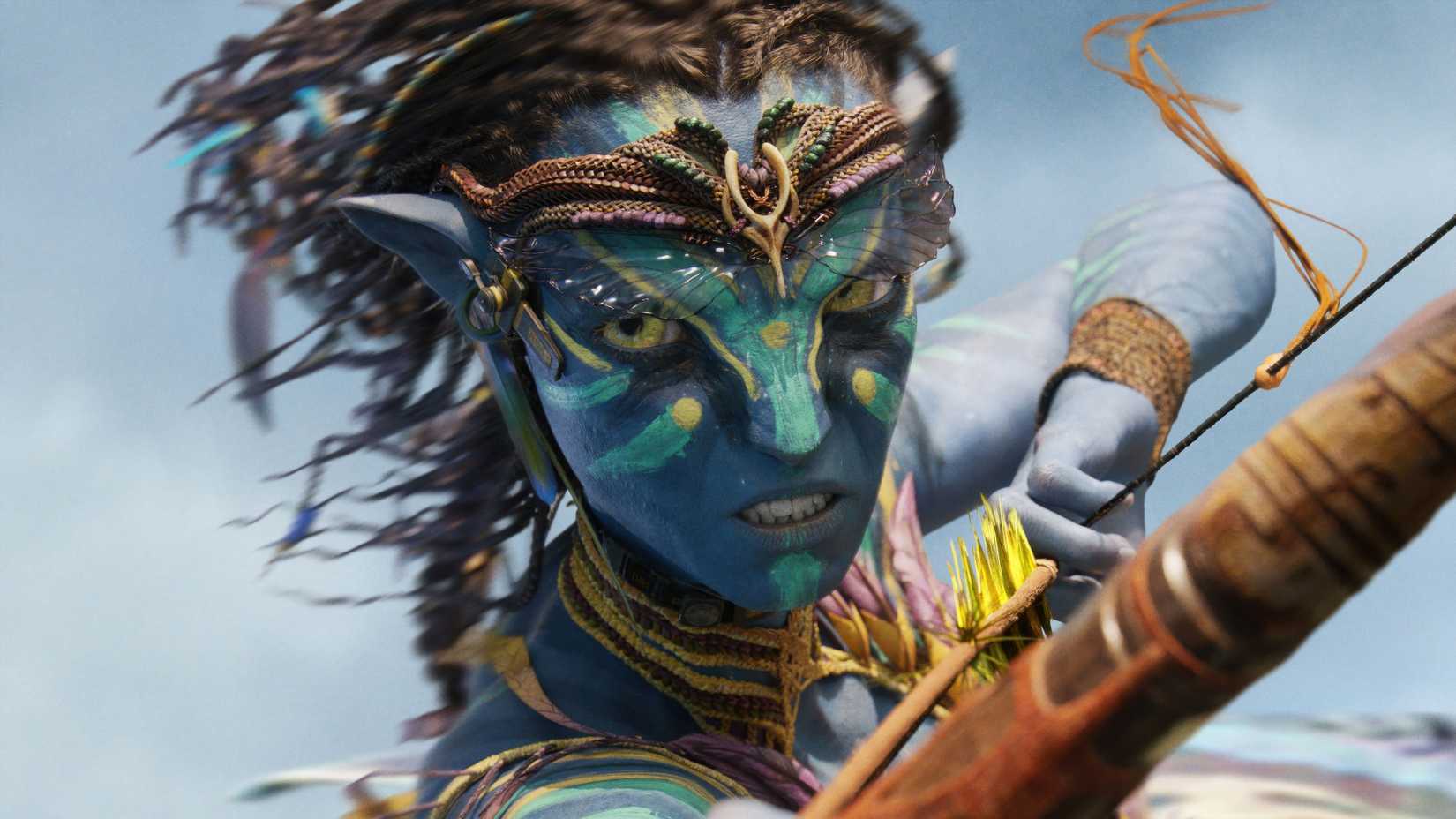
This strategic mirroring extends beyond visuals to the choreography of battle, the emotive score, and framing choices, collectively transforming this segment into a heartfelt homage. While some critics initially labeled these sequences as repetitive, a closer look reveals that this deliberate choice sets the stage for a monumental shift, making the familiar a gateway to unprecedented scale and depth.
The Eclipse: A Stunning Turning Point in Pandora’s Warfare
The tension and visual innovation sharply intensify at the moment of Pandora’s daily eclipse, marking a pivotal turning point both narratively and artistically. As darkness envelops the battlefield, James Cameron pulls back the curtain to reveal a strikingly new layer of conflict and spectacle.
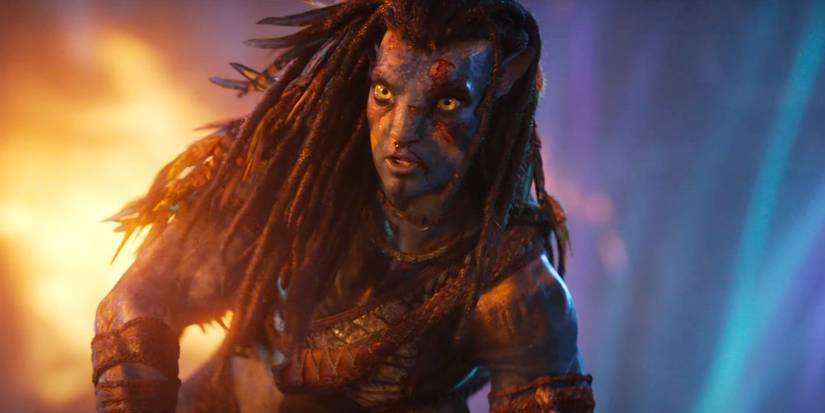
One of the film’s most captivating visual effects is the towering column of fire created by a massive magnetic flux pulling in the RDA ships. This dramatic natural phenomenon becomes the centerpiece of the battle, symbolizing the immense power and unpredictability of Pandora itself. The arrival of the Ash People, led by formidable characters Quaritch and Varang, adds a dynamic new layer to the conflict. They blend human technology — wielding RDA weapons — with the agility of the native creatures, flying on ikrans, thereby merging human ingenuity with Pandora’s natural forces.
Kiri and Eywa: The Heart of Pandora’s Power Unleashed
Kiri’s character arc intensifies the drama and stakes during the final battle. By finally reaching Eywa, the spiritual essence and Great Mother of Pandora, she calls forth an awe-inspiring display of power. This moment summons a fusion of both ancient and new wildlife allies to the Na’vi’s aid, dramatically turning the tide of war.
Notably, the emotional weight of the battle is elevated through moments such as Kate Winslet’s Ronal giving birth amidst chaos, and the intense teamwork between Quaritch and Jake as they save Spider’s life before he makes a dramatic leap into the abyss. Varang’s overwhelming retreat in the face of Kiri’s newfound power symbolizes a shift in dominance, mirrored visually through Cameron’s meticulous design and direction.
Why Avatar: Fire & Ash’s Final Battle Is a Visual Triumph
This final sequence is not just a battle; it is a visual narrative that speaks volumes about Pandora and its evolving mythology. James Cameron’s decades-long dedication to this world is evident as the story deepens with layered symbolism, breathtaking effects, and skillful homage. The evolution from familiar scenes to the groundbreaking eclipse battle highlights the constant growth of the Avatar saga, underlining why this franchise continues to capture the imagination of audiences worldwide.

The film’s extended runtime of 197 minutes allows these visual and narrative elements to unfold fully, crafted by a team including writers Amanda Silver, Rick Jaffa, and James Cameron himself. The masterful blend of science fiction, adventure, and fantasy genres propels the Avatar universe into new heights, making this latest installment a must-watch for fans and newcomers alike.
Conclusion
In summary, Avatar: Fire & Ash‘s final battle stands as a testament to James Cameron’s unrivaled skill in visual storytelling. By intricately weaving homage with fresh spectacle, Cameron not only honors the legacy of the first two films but propels the saga into exciting new realms. The masterful choreography, stunning visual effects, and narrative depth reinforce why the Avatar franchise remains a pinnacle of cinematic innovation. Whether you are captivated by the breathtaking landscape of Pandora or the epic scale of its conflicts, this film offers a rich, immersive experience. Share your thoughts in the comments and explore more at keeperfacts.com.