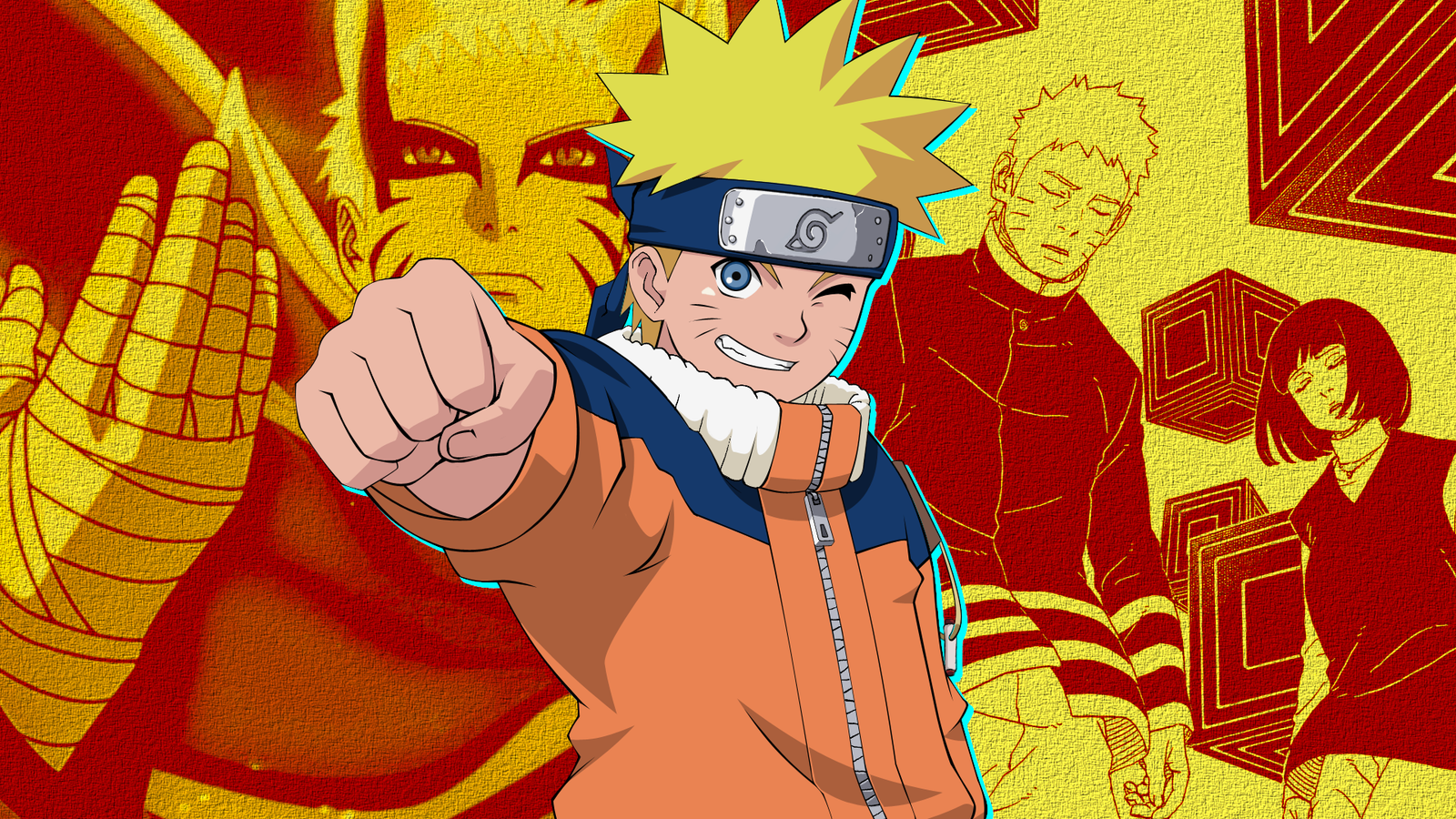
For fans of the iconic anime and manga series Naruto, the catchphrase “I’m gonna be the Hokage someday!” is as memorable and defining as One Piece’s “I’m gonna be king of the pirates!” This declaration embodies Naruto Uzumaki’s lifelong ambition: to be acknowledged and respected as the leader of the Hidden Leaf Village, a community that initially scorned him. Throughout the original Naruto series, Naruto’s journey from an outcast ninja to a powerful hero was inspiring and triumphant. However, his story takes a more complex turn once he achieves his dream and becomes the Seventh Hokage.
The Difficult Reality of Naruto as the Seventh Hokage
Naruto’s transition from a rebellious youth to the village leader is depicted prominently in Boruto: Naruto Next Generations. While he shines as a protector of Konoha, balancing the immense responsibilities of Hokage with family life proves to be a challenge. One notably painful moment for fans is when Naruto, overwhelmed with his duties, sends a Shadow Clone to attend his daughter Himawari’s birthday celebration—a rare lapse in his role as a father. This scene, highlighted in Boruto: Naruto the Movie and the manga, exposes the struggle Naruto faces in managing work-life balance, contrasting starkly with the cheeky, determined young ninja we once knew.
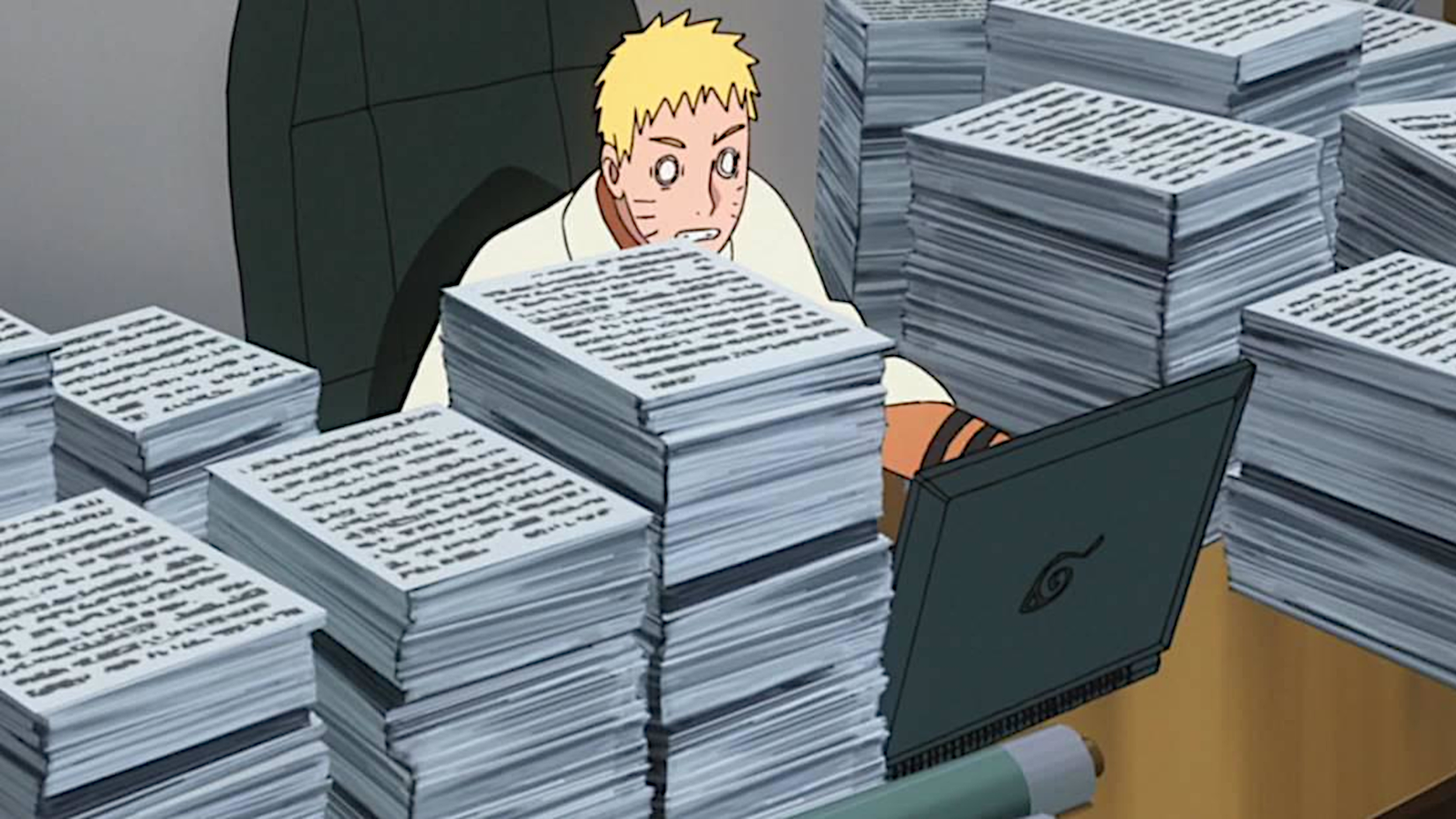
Despite his legendary feats during the original series—such as his powerful battle against Isshiki Ōtsutsuki—Naruto’s true strength was in his role as an underdog and a village outcast. As Itachi Uchiha aptly stated in Naruto Chapter #552, “Being Hokage is not about suddenly being recognized in your village. Only those who are already recognized and admired will ever become Hokage.” This highlights the fact that Naruto’s heroism was appreciated retrospectively, making his Hokage tenure fraught with the weight of expectations and responsibilities that do not always suit his personal strengths.
Naruto’s struggles are not unique among Hokage. His predecessors, like Kakashi, who was reluctant but responsible, and Tsunade, who grappled with her vices, each faced their challenges. Even legends like Hiruzen Sarutobi and Tobirama Senju had flaws that complicated their legacies. For Naruto, becoming Hokage meant becoming weighed down by obligations—sometimes at the expense of his family and combat brilliance.
Shikamaru Nara: The New Face of Konoha’s Leadership
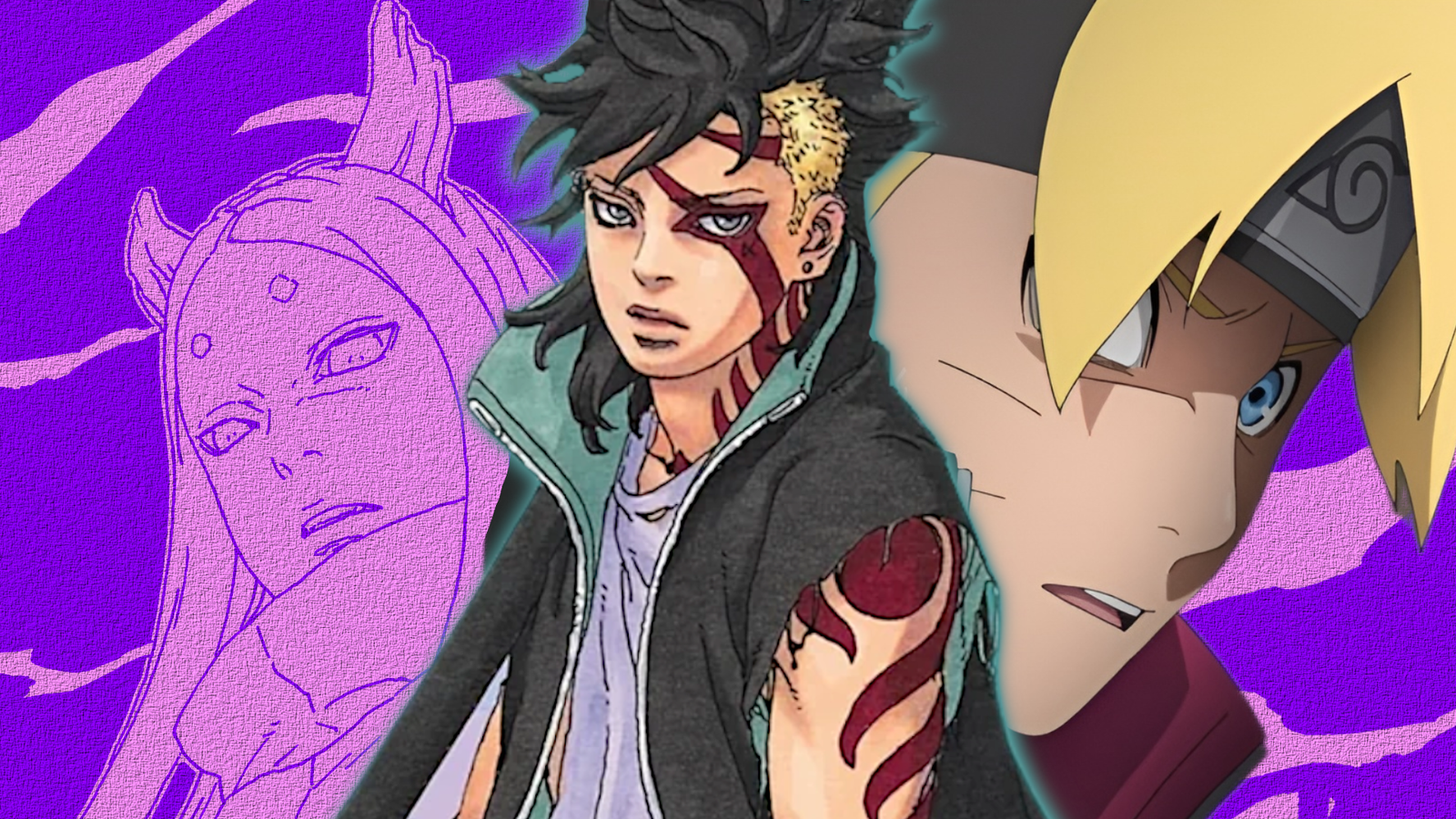
In Boruto: Two Blue Vortex, the narrative shifts focus from Naruto to his right-hand man, Shikamaru Nara, who has stepped up as the interim Eighth Hokage. Shikamaru’s leadership style contrasts with Naruto’s; rather than relying on raw strength or overwhelming chakra, Shikamaru excels in tactical acumen and nuanced decision-making.

While Naruto is currently trapped in Kawaki’s Daikokuten—a pocket dimension created from Isshiki Ōtsutsuki’s powers—Shikamaru manages the complex reality of Konoha’s political and bureaucratic landscape. This shift in leadership poignantly illustrates the unpredictable and demanding nature of the Hokage role, emphasizing that Naruto’s immense power as a shinobi does not automatically translate to an ideal leader for all aspects of governance.
Why Naruto Should Not Return as Hokage
With Naruto sidelined in the Daikokuten prison, fans and critics alike wonder what the future holds for the Seventh Hokage. However, many argue that Naruto should not resume his role once he returns. His rise to Hokage exemplifies the Peter Principle, where he may have excelled up to a point but struggles at the highest level of leadership due to the unique demands of the role.
Though Naruto remains a legendary figure, the mantle of Hokage requires sacrifices and skills that extend far beyond raw power and heroic action. With leaders like Shikamaru already proving themselves as capable stewards of Konoha, Naruto’s return to the position could hinder the village’s progress.
Additionally, promising new Hokage candidates such as Konohamaru Sarutobi and Sarada Uchiha are ready to take on leadership roles. Naruto’s legacy doesn’t depend on holding the office but on the respect and admiration he earned as the hero who saved the village countless times, notably after Pain’s assault.
Conclusion
While Naruto Uzumaki’s dream of becoming Hokage was a powerful and motivating journey, the reality of his tenure as Konoha’s Seventh Hokage reveals the complexities and limitations he faces as a leader. Balancing his legendary shinobi prowess with the administrative and familial responsibilities has been a challenge, leading many to conclude that making Naruto Hokage, though inspiring, was ultimately a mistake. The series progression into Boruto: Two Blue Vortex emphasizes this shift, handing the torch to shinobi like Shikamaru who excel in leadership intellect over raw power.
Share your thoughts in the comments and explore more at keeperfacts.com.