Fans of the iconic British sci-fi series Doctor Who expecting The Doctor to make an appearance in the newest spinoff The War Between the Land and the Sea may find themselves surprised or even disappointed. Unlike previous Doctor Who offshoots, this series barely mentions the Time Lord, letting the story focus on a political drama infused with speculative elements — homogenizing the sci-fi franchise with a fresh, grounded tone. But why exactly does The Doctor remain absent from this new chapter of the Whoniverse? The answer is more complex than it initially seems.
The Doctor’s Absence: A New Direction for The War Between the Land and the Sea
The absence of The Doctor is a notable departure from familiar Doctor Who narratives. In past spinoffs like Torchwood and The Sarah Jane Adventures, the Doctor’s absence was simply rationalized by the idea that they can’t be everywhere at once, leaving other heroes to protect Earth while The Doctor is off on cosmic missions. This allowed spinoffs to have their own identity while acknowledging the overarching Doctor Who universe.

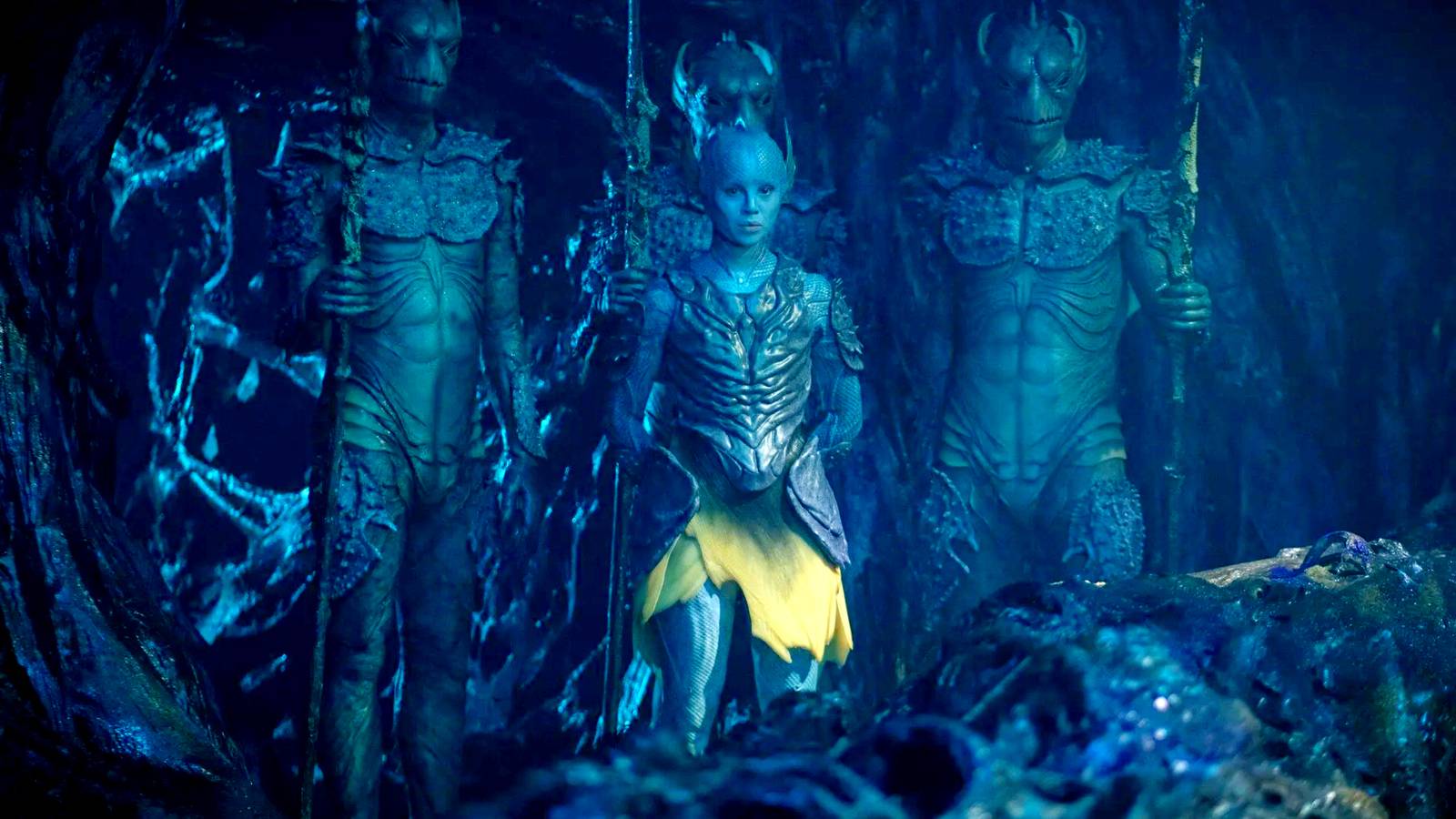
However, The War Between the Land and the Sea veers sharply away from this simple explanation. Its narrative centers on the emergence of a new species, Homo aqua, and the socio-political conflicts this triggers between land and sea inhabitants. The series largely ignores the traditional sci-fi staples of aliens and time travel, offering a more human-centered, political drama infused with speculative fiction.
Why the Old Excuses for The Doctor’s Absence No Longer Hold Up
Historically, the franchise justified The Doctor’s absence by claiming The Doctor was busy elsewhere in the universe, hence why spinoffs like Torchwood had to defend Earth. But this excuse doesn’t hold after the recent developments in the main series of Doctor Who.
In the aftermath of the 60th anniversary special, the Fourteenth Doctor has taken up permanent residence on Earth. Not only that, but this incarnation retained his TARDIS, which also underwent a bi-generation process to stay functional. This means there is always a version of The Doctor ready and able to respond to Earth’s crises, dramatically limiting the credibility of “The Doctor wasn’t around” as a valid explanation for no-shows in external narratives.
While it can be speculated that circumstances such as battles with powerful enemies might distract The Doctor, the scenario presented in The War Between the Land and the Sea—where plastic pollution rains down and Homo aqua makes territorial claims—would surely warrant The Doctor’s intervention if it were an issue truly threatening Earth. This reality cornered the franchise into dropping the classic excuse since The Doctor’s permanent Earth presence nullifies it.
The Spinoff’s Own Explanation: The Doctor Protects, But Doesn’t Guide

The creators of The War Between the Land and the Sea offer their own reasoning for The Doctor’s absence: The Doctor’s role is to protect Earth, not to guide its political or social evolution. While this approach makes sense on the surface, The Doctor’s history in the Doctor Who universe paints a more nuanced picture.
The Doctor has frequently served as a mediator and negotiator between humanity and the planet’s native species, including not only Homo aqua’s cousins, the Silurians, but also the Sea Devils and the Zygons. From brokering peace accords to intervening in environmental conflicts, The Doctor has never fully shied away from involvement in Earth’s complex socio-political issues—especially when they pertain to interspecies relations.
The Twelfth Doctor’s attempts to broker peace with the Zygons highlight how The Doctor does get involved in politically charged conflicts impacting Earth. Given this background, it’s difficult to accept that The Doctor would completely ignore the Homo aqua situation, especially when UNIT or other human factions could benefit from The Doctor’s wisdom and experience.
The Only Logical Reason: The Doctor’s Disillusionment

The most plausible reason for The Doctor’s conscious decision not to intervene, as depicted in The War Between the Land and the Sea, is less about protection and more about doubt. The Doctor may no longer believe they can influence the outcome meaningfully.
Historically, multiple incarnations of The Doctor have tried mediating between humanity and species like the Silurians and Sea Devils, but these interactions often ended in violence, destruction, or genocide—whether inadvertently caused or as a last resort. The Third Doctor’s engagements famously ended in genocidal consequences, while the Fifth Doctor’s encounters were no less tragic. Even the Eleventh Doctor’s efforts, though somewhat more hopeful, could not halt humanity’s on-going environmental degradation and conflict.
This pattern suggests The Doctor could have grown weary or exasperated by the recurring cycles of conflict and failure. With The War Between the Land and the Sea set against a backdrop of environmental decline and political strife involving Homo aqua, it makes sense that The Doctor might have chosen not to intervene, believing their involvement might only escalate violence or fail completely.

Conclusion
The absence of The Doctor in The War Between the Land and the Sea is a deliberate and layered choice that reflects both narrative evolution and franchise canon constraints. While earlier spinoffs excused The Doctor’s absence by virtue of time and space limitations, the current permanent Earth residence of the Fourteenth Doctor invalidates such exits. The spinoff’s claim that The Doctor’s role is to protect and not guide feels at odds with the character’s historic involvement in Earth’s political and alien affairs.
Ultimately, the most convincing explanation is that The Doctor, despite their omnipresence, has chosen to step back—driven by past failures and a growing doubt about their capacity to effect positive change amidst humanity’s repeated conflicts. This adds an intriguing, more human dimension to the Time Lord, showcasing not just their power, but also their limitations and frustrations.
Call to Action: Share your thoughts in the comments and explore more at keeperfacts.com.