If you haven’t yet discovered the thrill of the horror genre, classic horror movies are the perfect entry point. These films have not only shaped what horror cinema is today but have proven that horror can be artistic, emotional, and even entertaining. For newcomers, they offer a glimpse into the genre’s diversity and depth, making them an ideal gateway to lifelong appreciation.
Horror films have influenced filmmakers since the dawn of cinema. Despite often being overlooked or criticized by mainstream media, their enduring power lies in masterful craftsmanship and innovative storytelling. These classics showcase everything from groundbreaking visuals and unforgettable performances to bold narrative risks and cultural impact. They are more than just scary movies—they are essential works of art that reveal why horror remains such a compelling cinematic form.
Alfred Hitchcock’s Psycho (1960)
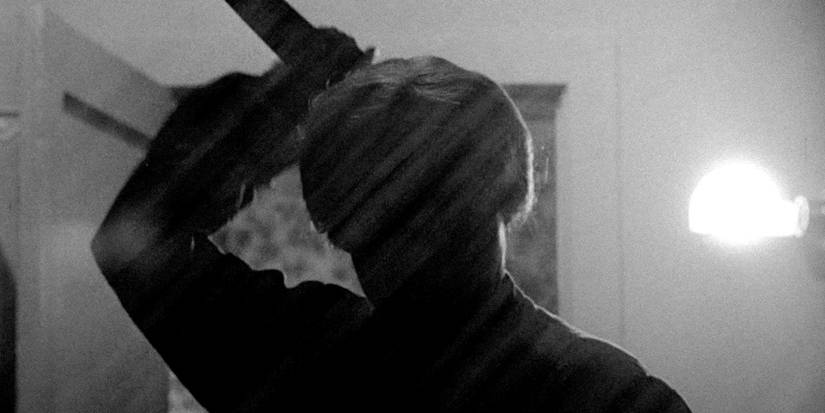
“Psycho” stands as one of the greatest horror masterpieces and a benchmark for cinema overall. Instead of relying on obvious scares, Hitchcock builds tension through atmosphere and suggestion, transforming a seeming crime thriller into an inescapable experience of dread. The film’s shocking mid-movie twist, where its apparent protagonist is abruptly killed off, revolutionized storytelling and laid the foundation for the slasher subgenre.
Bernard Herrmann’s iconic shrieking score has become inseparable from the film’s identity, solidifying “Psycho” as a cultural touchstone whose legacy continues to influence horror films worldwide.
The Cabinet of Dr. Caligari (1920): The Birth of Horror Aesthetics
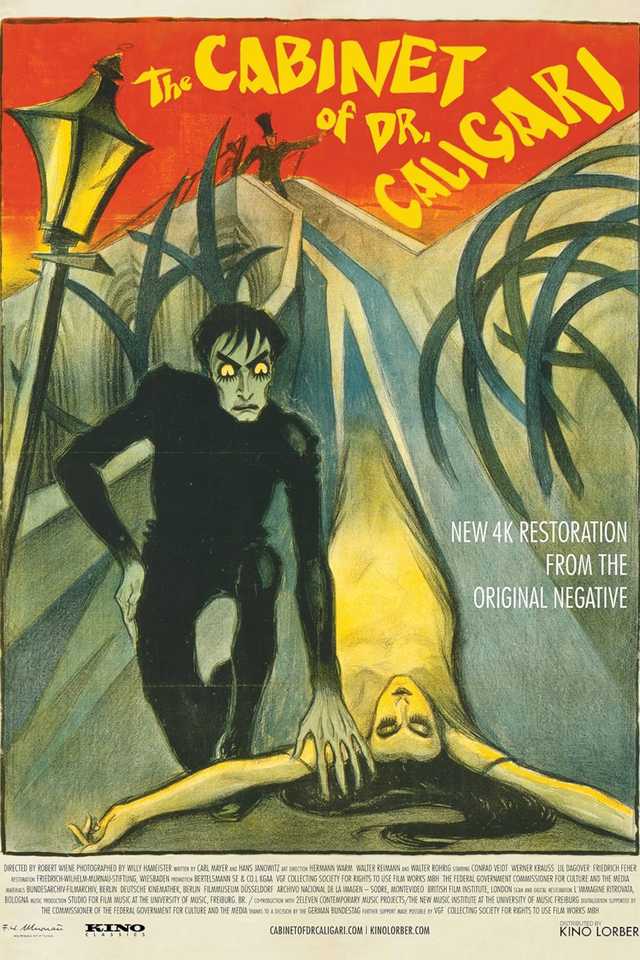
Widely considered the first feature-length horror movie, “The Cabinet of Dr. Caligari” introduced expressionist visuals and a surreal, dreamlike world unlike anything seen before. Its painted sets and warped perspectives craft an unsettling experience that is both artistic and deeply psychological. Importantly, it’s credited with pioneering the twist ending in horror, a technique still widely used today.
With striking performances and bold narrative experimentation, this film remains a fascinating historical artifact and an intellectually rewarding watch for horror enthusiasts.
The Abominable Dr. Phibes (1971): Campy Elegance Meets Horror
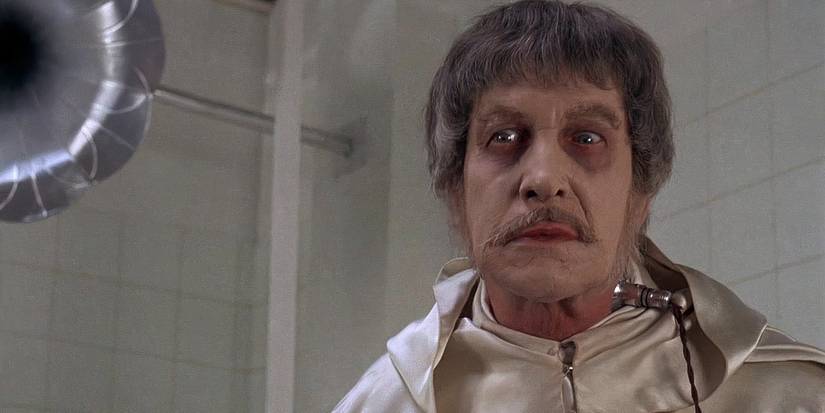
Known for its theatrical flair, “The Abominable Dr. Phibes” is a camp horror film that masterfully balances humor with menace. Vincent Price shines in a flamboyant role, blending darkness with operatic playfulness. The film’s retrofuturistic art deco sets turn each murder into a twisted visual feast inspired by biblical plagues, giving the movie a unique style and tone.
This movie reminds viewers that horror can be stylish, creative, and wildly entertaining without losing its eerie essence.
The Invisible Man (1933): Early Special Effects and Psychological Terror
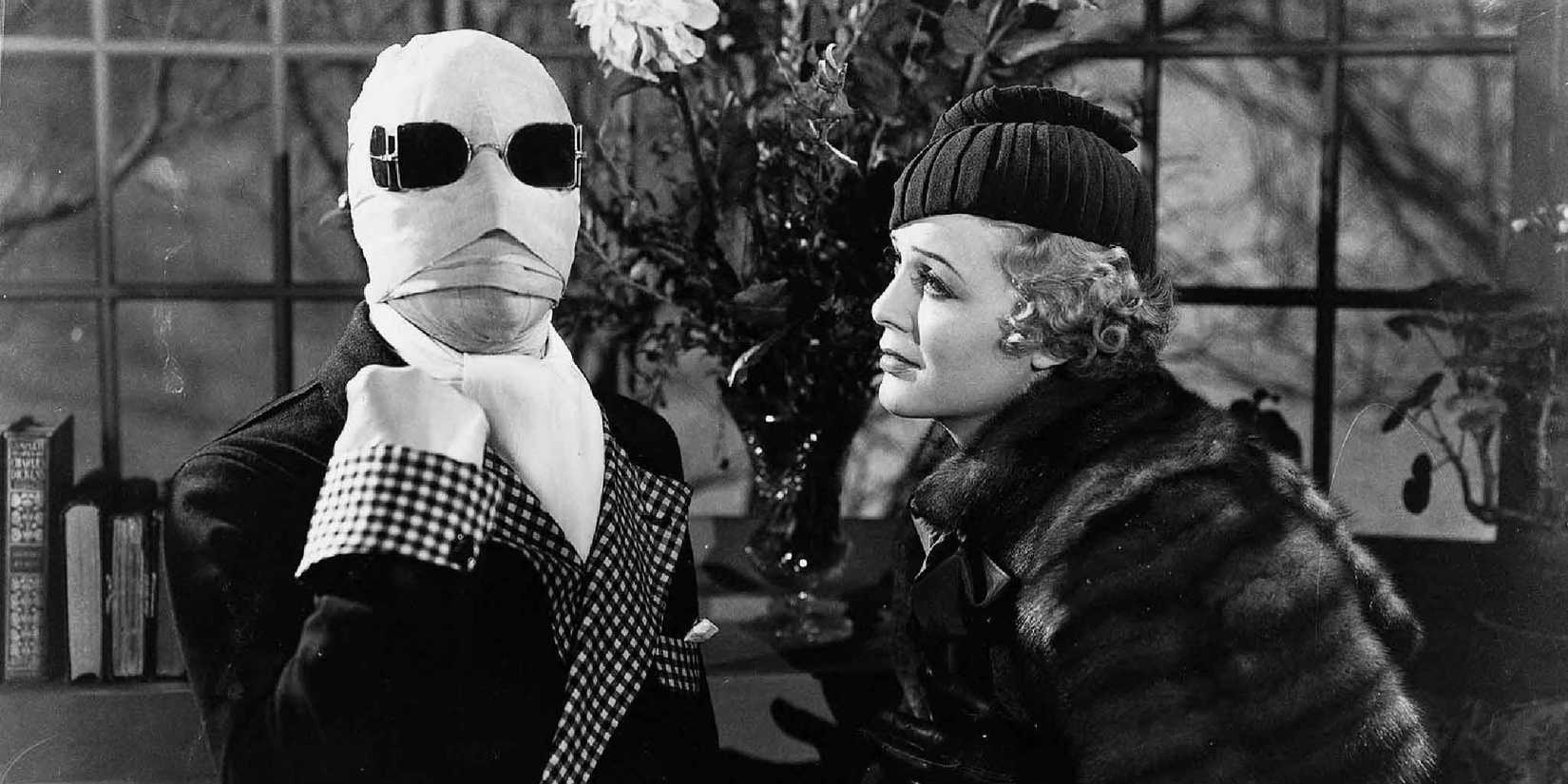
James Whale’s “The Invisible Man” remains a technical marvel with special effects still impressive nearly a century later. Claude Rains delivers a haunting performance that uses voice alone for much of the film, portraying a man’s terrifying descent into madness. The invisibility gimmick is used not just for spectacle but as a catalyst for psychological horror.
The careful use of suggestion over overt shocks creates a paranoid atmosphere, making this an intimate and enduring horror classic.
Creature From The Black Lagoon (1954): Monster with Heart
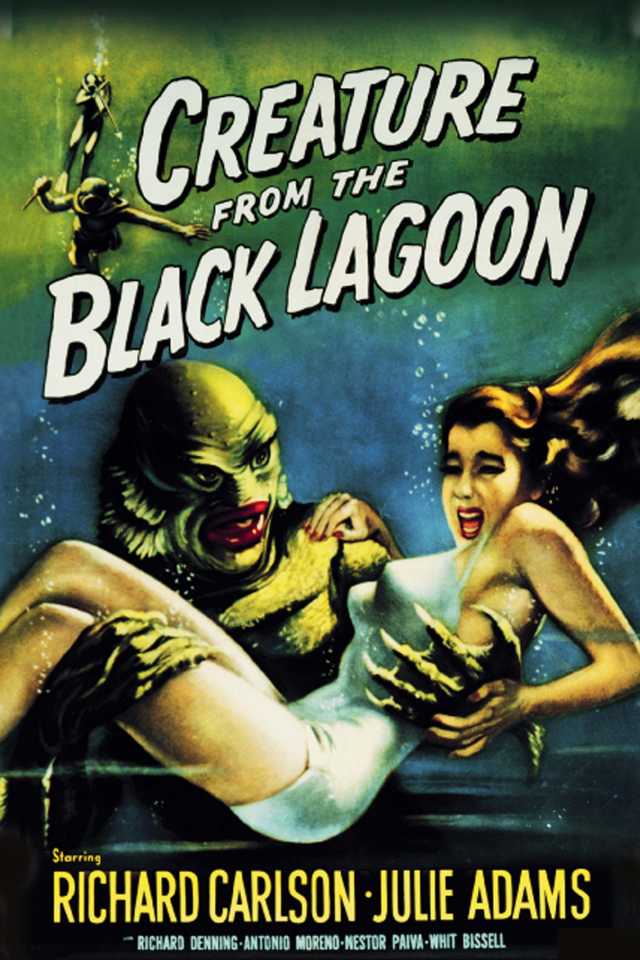
Often dismissed as a typical monster movie, “Creature From The Black Lagoon” offers surprisingly beautiful underwater photography and a creature portrayed with empathy. Instead of pure menace, the Gill-man is curious and lonely, adding emotional depth to the story.
This blend of suspense, adventure, and heartfelt storytelling ensures the film’s place as a beloved classic that goes beyond surface-level scares.
Hellraiser (1987): Horror Rooted in Emotion and Atmosphere
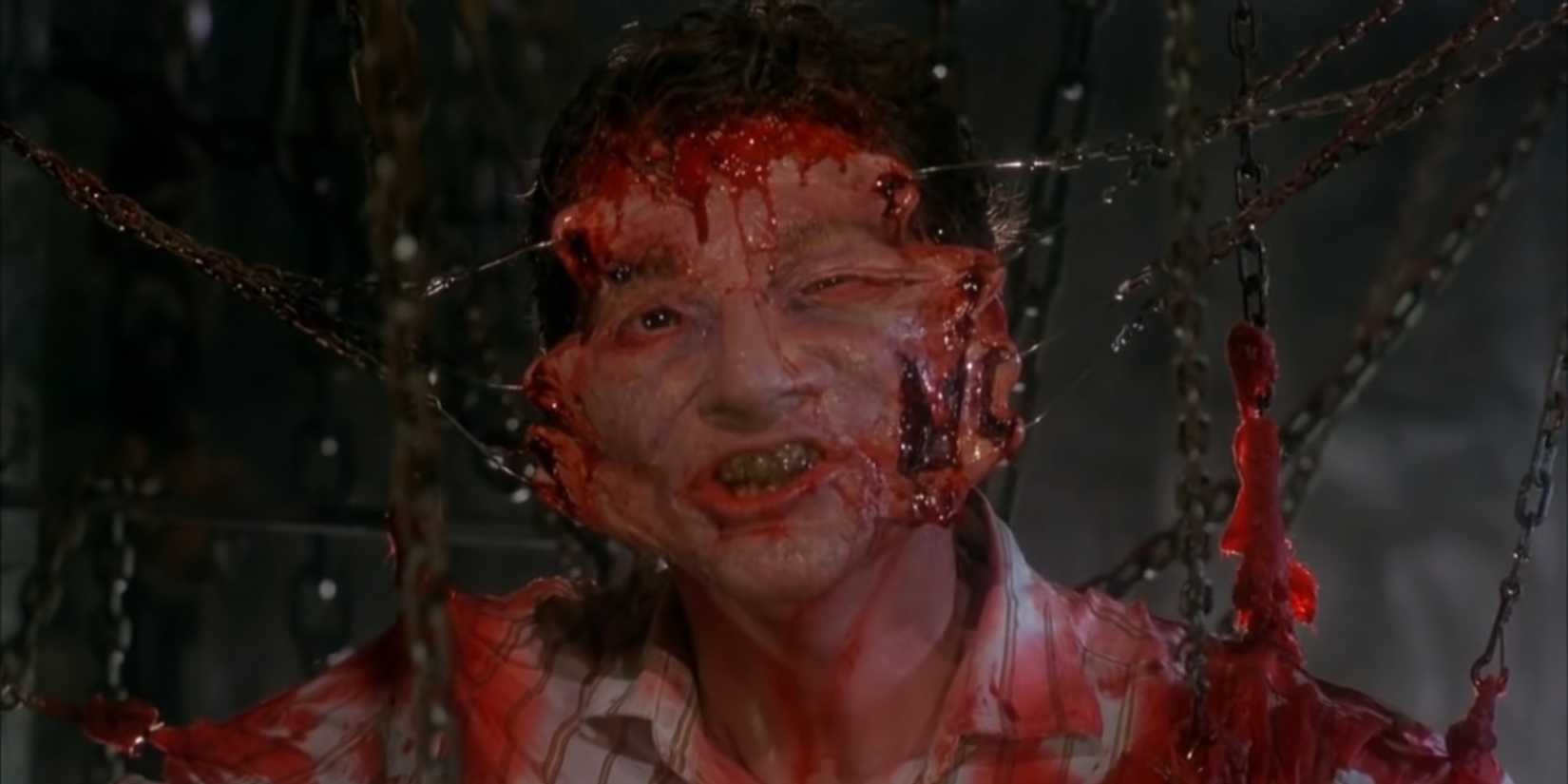
“Hellraiser” is famed for its extreme imagery but beneath the surface lies an intimate story of obsession and betrayal. The Cenobites, led by the iconic Pinhead, serve to amplify a narrative focused on desire and consequence rather than mere gore.
The film’s tight setting and focus on atmosphere prove that powerful horror often comes from strong ideas and controlled execution.
Bride of Frankenstein (1935): A Sequel Ahead of Its Time
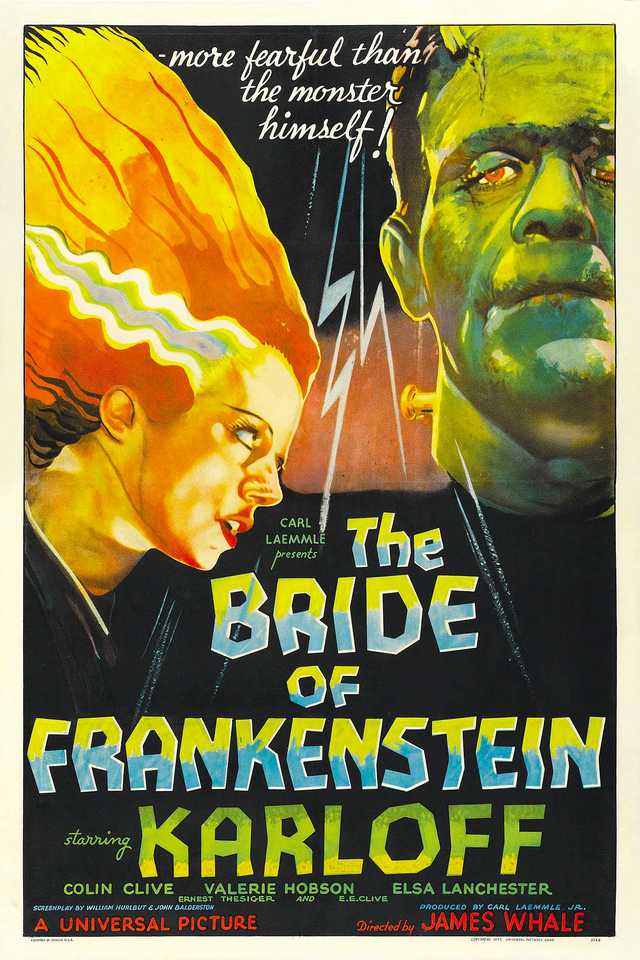
A rare sequel that surpasses its original, “Bride of Frankenstein” combines camp, satire, and visual spectacle with emotional depth. James Whale’s self-aware direction plays with meta-commentary while delivering compelling performances, notably by Boris Karloff.
This film is culturally significant, with several characters becoming icons in LGBTQ cinema history, underscoring its lasting relevance and emotional resonance.
The Old Dark House (1932): Minimalist Haunted House Horror
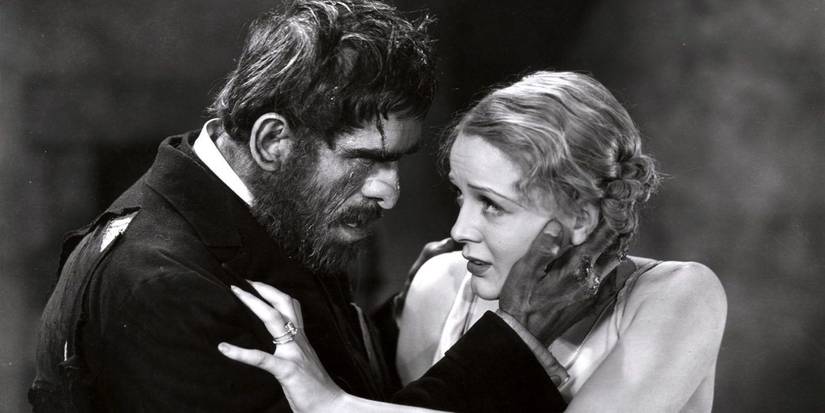
Another James Whale masterpiece, “The Old Dark House” relies on subtlety, mood, and pacing rather than constant scares. It introduced many haunted house tropes that endure today, but with a cozy and charming atmosphere that makes it a perfect, stylish Sunday horror watch.
The Omen (1976): Prestige Horror Redefined
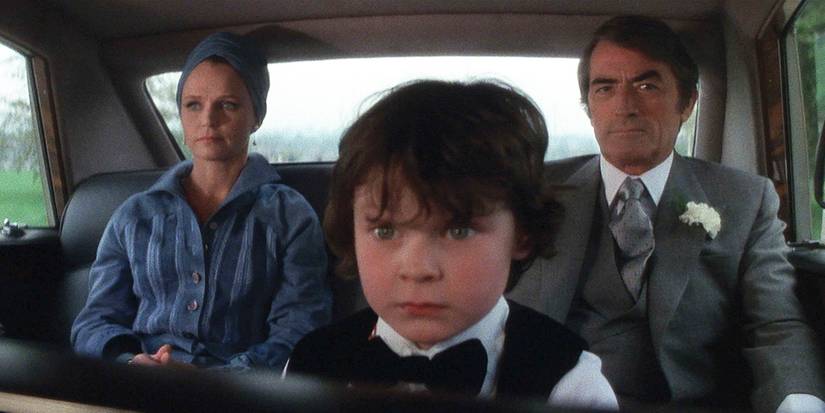
“The Omen” broke new ground by showing horror could be part of prestige cinema, backed by a strong cast, director, and production. Its chilling story uses religious dread and subtle tension rather than cheap shocks, enhanced by Jerry Goldsmith’s Oscar-winning score.
This film reshaped horror’s public image, paving the way for more high-profile, critically respected horror productions.
The Exorcist (1973): Horror That Transcended the Genre
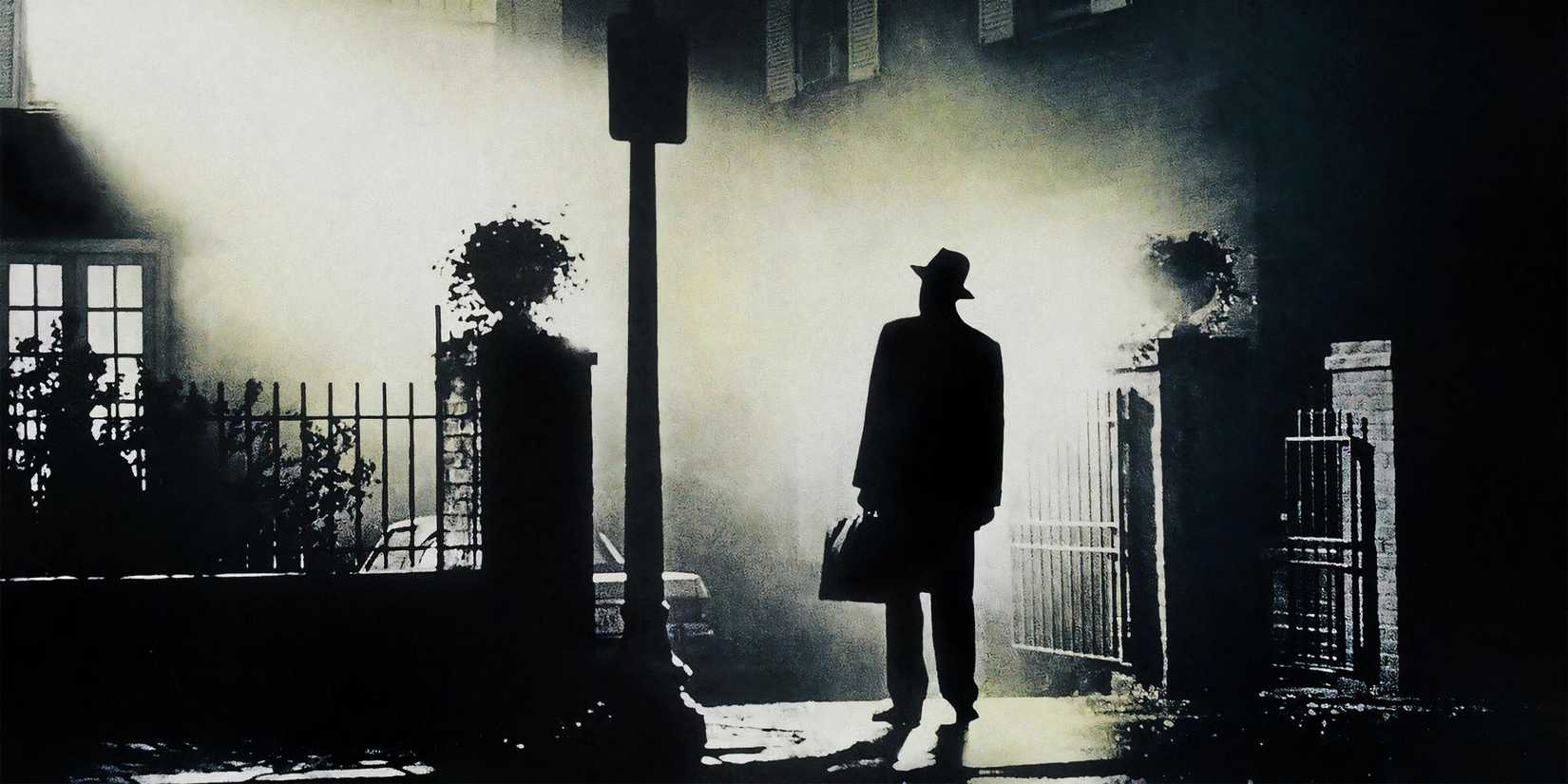
With its Best Picture Oscar nomination, “The Exorcist” elevated horror to new heights. Its meticulous craftsmanship, incredible performances, and deeply personal story of faith and grief make it profoundly terrifying. The film’s claustrophobic setting amps up the fear in a way that’s still unmatched decades later.
Its massive cultural impact legitimized horror as a serious art form and inspired future classics.
Conclusion
These 10 classic horror movies demonstrate the genre’s incredible range—from psychological dread and artistic innovation to campy fun and profound emotional storytelling. Each film laid the foundation for modern horror, making them essential viewing for anyone who wants to truly understand and love horror cinema. Whether you seek chilling suspense, cultural significance, or creative spectacle, these timeless classics deliver unforgettable experiences that continue to inspire filmmakers and terrify audiences worldwide. Share your thoughts in the comments and explore more at keeperfacts.com.